
By TRUNNANO | 10 May 2024 | 0 Comments
What is graphene oxide?
What is graphene oxide?
Graphene Oxide (GO) is a derivative of graphite prepared by chemical oxidation. It maintains the basic layered structure of graphite, but after the oxidation process, a large number of oxygen-containing functional groups, such as hydroxyl (-OH), carboxyl (-COOH), and epoxy (>C-O-C<) groups, are attached to its surface and edges. These oxygen-containing groups dramatically change the physical and chemical properties of graphene, endowing graphene oxide with some unique features and a wide range of application potential.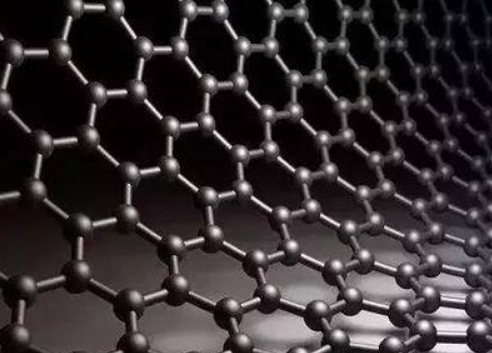 Characteristics of graphene oxide:
Good water solubility: Due to the presence of oxygen-containing groups, graphene oxide can be dispersed in water to form a stable solution, unlike pristine graphene, which is not easily dispersed in water.
Functionalization potential: The functional groups on the surface of graphene oxide can be used as active sites for chemical reactions, facilitating further functionalization and modification to meet specific application needs.
Larger surface area: The pore and edge structure formed during oxidation increases the surface area, which is favorable for applications such as adsorption and catalysis.
Lower conductivity: Graphene oxide has a substantially lower conductivity compared to graphene due to the doping of oxygen-containing groups that interrupt the perfect sp² hybridized structure of graphene.
Processability: Graphene oxide can be morphologically controlled and patterned by simple wet processing techniques such as spin-coating, spraying, or printing.
Graphene oxide application areas:
Composite materials: added to polymers as a reinforcing phase to improve the mechanical properties, thermal stability, and barrier properties of composite materials.
Energy storage: used in the manufacture of supercapacitors and lithium-ion battery electrode materials, using its large specific surface area and adjustable pore structure.
Catalysts and catalyst carriers: used in chemical reactions as catalysts themselves or as carriers loaded with other catalysts.
Water treatment: utilizing its adsorption properties to remove heavy metal ions, organic pollutants, etc., from water.
Biomedicine: as drug delivery carriers, tissue engineering scaffold materials, etc., due to its good biocompatibility and easy functionalization.
Difference between graphene oxide and graphene:
Structural difference: Graphene is a two-dimensional material consisting of a single layer of carbon atoms with a perfect sp² hybridized structure and extremely high electrical conductivity. Graphene oxide, on the other hand, destroys this perfect structure due to the introduction of oxygen-containing functional groups, resulting in a decrease in conductivity.
Physicochemical properties: Graphene oxide has better hydrophilicity and functionality due to the functional groups on the surface, whereas graphene is relatively hydrophobic and more difficult to modify directly chemically.
Solubility and processability: Graphene is not easily dispersed in water or most organic solvents, making it difficult to process; graphene oxide has good water solubility and easy processability.
Application focus: Graphene is widely used in electronic devices, sensors, transparent conductive films, and other fields due to its excellent electrical, thermal, and mechanical properties; graphene oxide is more suitable for applications requiring chemical modification, water solubilities, or large surface areas, such as composites, catalysts, and biomedical applications.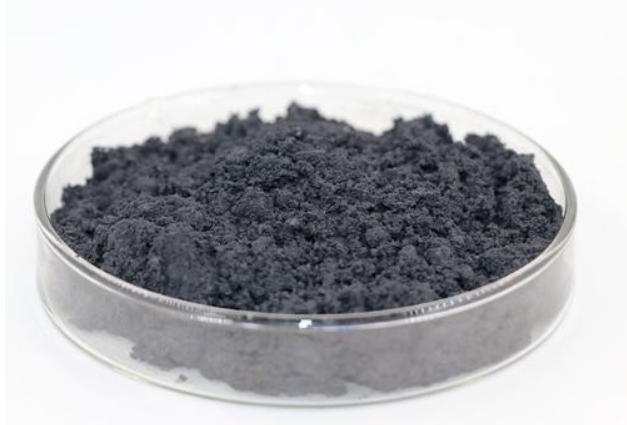 Graphene Oxide Powder supplier
Luoyang Tongrun Nano Technology Co. Ltd. (TRUNNANO) is a trusted global chemical material supplier & manufacturer with over 12-year-experience in providing super high-quality chemicals and nanomaterials, including boride powder, nitride powder, graphite powder, sulfide powder, 3D printing powder, etc.
If you are looking for high-quality Graphene Oxide Powder, please feel free to contact us or click on the needed products to send an inquiry.
Graphene Oxide (GO) is a derivative of graphite prepared by chemical oxidation. It maintains the basic layered structure of graphite, but after the oxidation process, a large number of oxygen-containing functional groups, such as hydroxyl (-OH), carboxyl (-COOH), and epoxy (>C-O-C<) groups, are attached to its surface and edges. These oxygen-containing groups dramatically change the physical and chemical properties of graphene, endowing graphene oxide with some unique features and a wide range of application potential.
Good water solubility: Due to the presence of oxygen-containing groups, graphene oxide can be dispersed in water to form a stable solution, unlike pristine graphene, which is not easily dispersed in water.
Functionalization potential: The functional groups on the surface of graphene oxide can be used as active sites for chemical reactions, facilitating further functionalization and modification to meet specific application needs.
Larger surface area: The pore and edge structure formed during oxidation increases the surface area, which is favorable for applications such as adsorption and catalysis.
Lower conductivity: Graphene oxide has a substantially lower conductivity compared to graphene due to the doping of oxygen-containing groups that interrupt the perfect sp² hybridized structure of graphene.
Processability: Graphene oxide can be morphologically controlled and patterned by simple wet processing techniques such as spin-coating, spraying, or printing.
Graphene oxide application areas:
Composite materials: added to polymers as a reinforcing phase to improve the mechanical properties, thermal stability, and barrier properties of composite materials.
Energy storage: used in the manufacture of supercapacitors and lithium-ion battery electrode materials, using its large specific surface area and adjustable pore structure.
Catalysts and catalyst carriers: used in chemical reactions as catalysts themselves or as carriers loaded with other catalysts.
Water treatment: utilizing its adsorption properties to remove heavy metal ions, organic pollutants, etc., from water.
Biomedicine: as drug delivery carriers, tissue engineering scaffold materials, etc., due to its good biocompatibility and easy functionalization.
Difference between graphene oxide and graphene:
Structural difference: Graphene is a two-dimensional material consisting of a single layer of carbon atoms with a perfect sp² hybridized structure and extremely high electrical conductivity. Graphene oxide, on the other hand, destroys this perfect structure due to the introduction of oxygen-containing functional groups, resulting in a decrease in conductivity.
Physicochemical properties: Graphene oxide has better hydrophilicity and functionality due to the functional groups on the surface, whereas graphene is relatively hydrophobic and more difficult to modify directly chemically.
Solubility and processability: Graphene is not easily dispersed in water or most organic solvents, making it difficult to process; graphene oxide has good water solubility and easy processability.
Application focus: Graphene is widely used in electronic devices, sensors, transparent conductive films, and other fields due to its excellent electrical, thermal, and mechanical properties; graphene oxide is more suitable for applications requiring chemical modification, water solubilities, or large surface areas, such as composites, catalysts, and biomedical applications.
Luoyang Tongrun Nano Technology Co. Ltd. (TRUNNANO) is a trusted global chemical material supplier & manufacturer with over 12-year-experience in providing super high-quality chemicals and nanomaterials, including boride powder, nitride powder, graphite powder, sulfide powder, 3D printing powder, etc.
If you are looking for high-quality Graphene Oxide Powder, please feel free to contact us or click on the needed products to send an inquiry.
Leave a Reply
Your email address will not be published.Required fields are marked. *