
By Cindy | 07 June 2024 | 1 Comments
The Role of Concrete Waterproofing Additives
The core objective of concrete waterproofing additives, as a key building material modifier, is to improve the waterproofing properties of concrete to ensure the durability and structural integrity of buildings. In the modern construction industry, waterproofing is an important factor in ensuring the quality of work, extending service life, and reducing maintenance costs. The following is a detailed discussion of concrete waterproofing additives, including their mechanism of action, types, scope of application, and benefits of use.
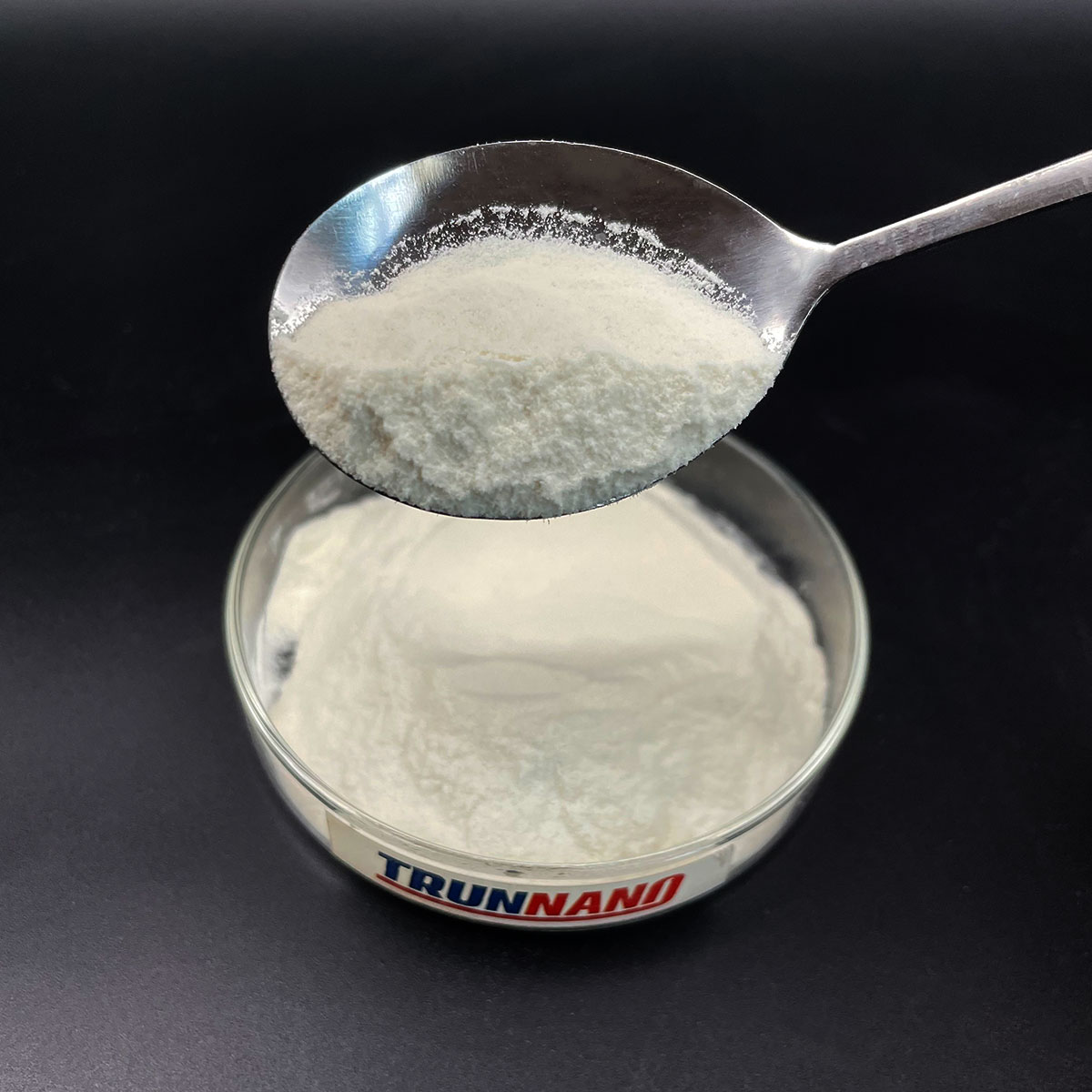

1. Mechanism of action
1.1 Reduce porosity and improve microstructure
Concrete waterproofing additives firstly enhance the waterproofing ability of concrete by changing its microstructure. The additives can promote the cement paste to be more dense and reduce the formation of pores during the hydration process of cement. These pores are the main channels for water penetration, and when porosity is reduced, the permeability of concrete is naturally enhanced. Some additives can also precipitate gel substances inside the concrete, effectively blocking the capillary channels and further reducing the possibility of water infiltration.
1.2 Improvement of compactness and strength
Waterproofing additives optimize the water-cement ratio of concrete, making it possible to reduce the amount of water used under the same working conditions, thus improving the compactness and early strength of concrete. The denser structure not only improves the mechanical properties of the concrete but also significantly enhances its ability to resist external moisture intrusion.
1.3 Anti-cracking and anti-seepage
Concrete is prone to micro-cracks during hardening or when subjected to changes in ambient temperature and humidity, which is one of the main causes of water seepage. Certain components in the waterproofing additives have micro-expansion properties, which can form a fine expansion pressure inside the concrete, compensate for the contraction of the concrete, and reduce or even avoid the emergence of cracks so as to achieve the purpose of seepage prevention.
1.4 Retardation and early strength effect
Some of the waterproofing additives have a retardation effect, which can slow down the hydration process of cement, which not only helps the internal hydration of the concrete more evenly, reduce the risk of cracking caused by temperature rise, but also provide enough time for construction operations. At the same time, some additives also have early-strengthening properties, which can accelerate the development of the early strength of concrete to a certain extent, which is particularly important for projects that need to quickly reach the load-bearing capacity.
2. Types and properties
There are many kinds of concrete waterproofing additives, mainly including:
Water-reducing waterproofing additives: efficiently dispersing cement particles, reducing water consumption, and improving the fluidity and compactness of concrete.
Expansion-type waterproofing agent: produces volume expansion in the process of cement hydration, filling the micro-cracks and pores inside the concrete, enhancing the waterproofing performance.
Silane-type waterproofing agent: through a chemical reaction to form a waterproof membrane on the surface of concrete, effectively preventing water penetration.
Polymer-based waterproofing agent: Introducing polymer emulsion or powder to improve the elasticity and toughness of concrete and enhance the anti-cracking performance.
Mineral admixtures, such as fly ash, silica fume, etc., can improve the microstructure of concrete and enhance its compactness and durability.
Water-reducing waterproofing additives: efficiently dispersing cement particles, reducing water consumption, and improving the fluidity and compactness of concrete.
Expansion-type waterproofing agent: produces volume expansion in the process of cement hydration, filling the micro-cracks and pores inside the concrete, enhancing the waterproofing performance.
Silane-type waterproofing agent: through a chemical reaction to form a waterproof membrane on the surface of concrete, effectively preventing water penetration.
Polymer-based waterproofing agent: Introducing polymer emulsion or powder to improve the elasticity and toughness of concrete and enhance the anti-cracking performance.
Mineral admixtures, such as fly ash, silica fume, etc., can improve the microstructure of concrete and enhance its compactness and durability.

3. Scope of application
Concrete waterproofing additives are widely used in various building structures, including but not limited to:
Basement and foundation work basement walls, baseboards, and other parts that need long-term resistance to groundwater pressure.
Roof waterproofing effectively prevents rainwater infiltration and extends the service life of the roof.
Tunnels and bridges: maintain structural integrity in extreme environments such as frequent water immersion or freeze-thaw cycles.
Hydrostructures, such as reservoirs, dams, sewage treatment plants, etc., require a high degree of waterproofing performance.
Kitchens and bathrooms: Improve the waterproofing performance of indoor wet areas to prevent structural damage and mold growth caused by moisture infiltration.
Basement and foundation work basement walls, baseboards, and other parts that need long-term resistance to groundwater pressure.
Roof waterproofing effectively prevents rainwater infiltration and extends the service life of the roof.
Tunnels and bridges: maintain structural integrity in extreme environments such as frequent water immersion or freeze-thaw cycles.
Hydrostructures, such as reservoirs, dams, sewage treatment plants, etc., require a high degree of waterproofing performance.
Kitchens and bathrooms: Improve the waterproofing performance of indoor wet areas to prevent structural damage and mold growth caused by moisture infiltration.
4. Analysis of the benefits of use
Economic benefits: the use of waterproofing additives can replace the traditional waterproofing membrane and other external waterproofing measures to simplify the construction process and save costs. At the same time, due to improve the durability of concrete, in the long run, can reduce maintenance costs.
Environmental benefits:
Environmental benefits:
- Reduce the leakage of concrete structures.
- Indirectly reduce the building energy consumption.
- Have a positive effect on environmental protection.
Convenience of construction: waterproofing additives are added directly to the concrete mixing process, eliminating the need for additional waterproofing layer construction and shortening the construction cycle.
Structural safety: Enhance the impermeability, crack resistance, and integrity of concrete, guaranteeing the safety and stability of the building structure.
In summary, concrete waterproofing additives significantly improve the waterproofing performance of concrete through a variety of mechanisms, providing an efficient and economical solution for modern construction projects, which is one of the key technologies to ensure the quality of the building and extend the service life. With the progress of science and technology, the research and development and application of new waterproofing additives will continue to promote the construction industry to a higher standard and more environmentally friendly direction.
Concrete additives Supplier
TRUNNANO is a reliable concrete additives supplier with over 12-year experience in nano-building energy conservation and nanotechnology development.
If you are looking for high-quality concrete additives, please feel free to contact us and send an inquiry.
We accept payment via Credit Card, T/T, West Union, and Paypal. TRUNNANO will ship the goods to customers overseas through FedEx, DHL, by air, or by sea.
Structural safety: Enhance the impermeability, crack resistance, and integrity of concrete, guaranteeing the safety and stability of the building structure.
In summary, concrete waterproofing additives significantly improve the waterproofing performance of concrete through a variety of mechanisms, providing an efficient and economical solution for modern construction projects, which is one of the key technologies to ensure the quality of the building and extend the service life. With the progress of science and technology, the research and development and application of new waterproofing additives will continue to promote the construction industry to a higher standard and more environmentally friendly direction.
Concrete additives Supplier
TRUNNANO is a reliable concrete additives supplier with over 12-year experience in nano-building energy conservation and nanotechnology development.
If you are looking for high-quality concrete additives, please feel free to contact us and send an inquiry.
We accept payment via Credit Card, T/T, West Union, and Paypal. TRUNNANO will ship the goods to customers overseas through FedEx, DHL, by air, or by sea.
Recently Reviews
Read MoreLeave a Reply
Your email address will not be published.Required fields are marked. *