
By Vincy | 29 October 2025 | 0 Comments
The Marvels of Hollow Glass Microspheres: A Comprehensive Exploration of Science, Applications, and Future Frontiers
1. Scientific Foundations of Hollow Glass Microspheres
1.1 Composition and Microstructure
1.1.1 Chemical Composition: Borosilicate Dominance
Hollow glass microspheres (HGMs) are primarily composed of borosilicate glass, a material renowned for its low thermal expansion coefficient and chemical inertness. The chemical makeup typically includes silica (SiO₂, 50-90%), alumina (Al₂O₃, 10-50%), and trace oxides like sodium (Na₂O) and calcium (CaO). These components create a robust, lightweight structure with particle sizes ranging from 10 to 250 micrometers and wall thicknesses of 1-2 micrometers. The borosilicate composition ensures high resistance to thermal shock and corrosion, making HGMs ideal for extreme environments.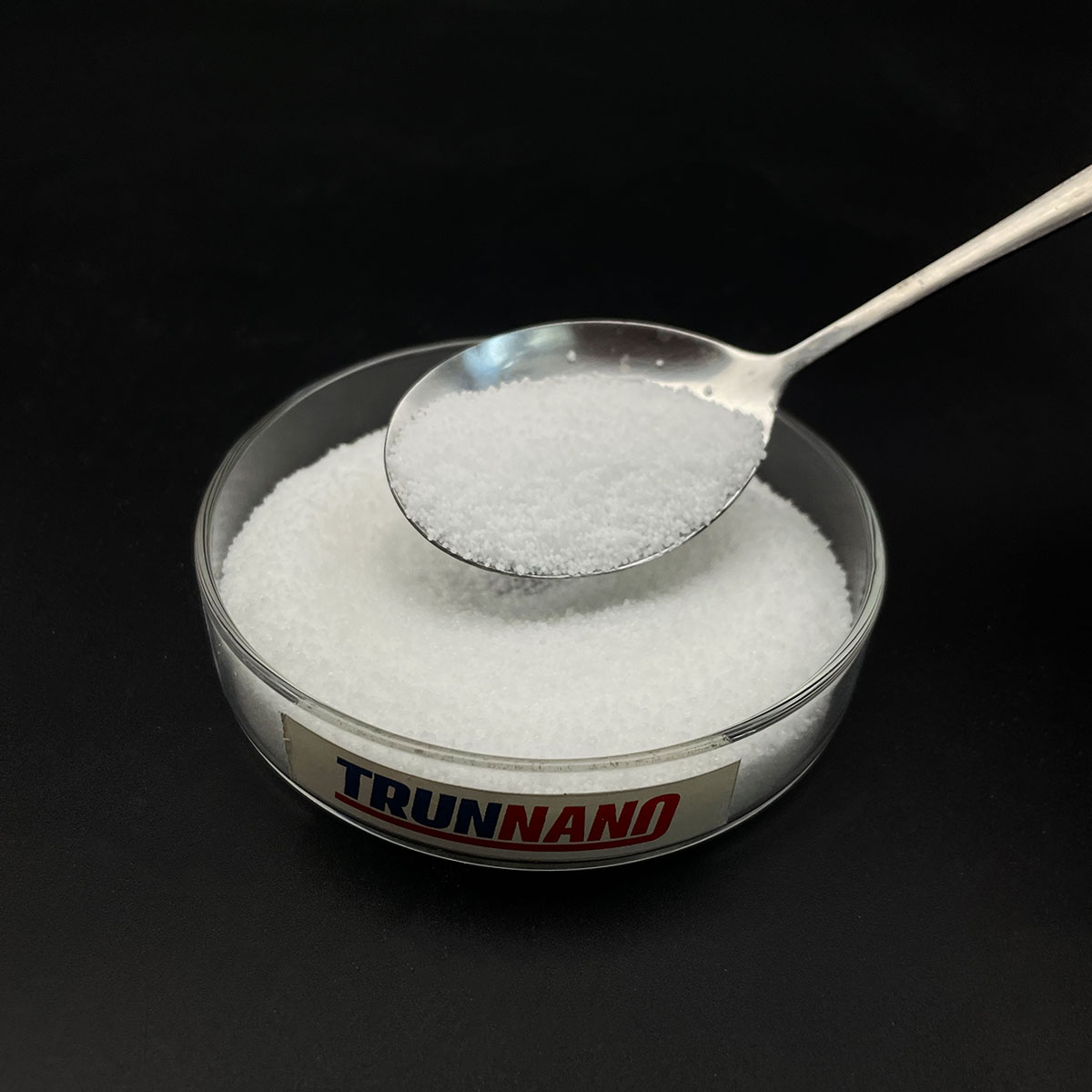
Hollow Glass Microspheres
1.1.2 Microscopic Structure: Thin-Walled Hollow Spheres
The hollow spherical geometry of HGMs is engineered to minimize material density while maximizing structural integrity. Each sphere contains a sealed cavity filled with inert gas (e.g., CO₂ or nitrogen), which suppresses heat transfer via gas convection. The thin walls, often just 1% of the particle diameter, balance low density with mechanical strength. This design also enables efficient packing in composite materials, reducing voids and enhancing performance.
1.2 Physical Properties and Mechanisms
1.2.1 Thermal Insulation: Gas Convection Suppression
The hollow core of HGMs reduces thermal conductivity to as low as 0.038 W/(m·K), outperforming conventional insulators like polyurethane foam. The trapped gas molecules exhibit limited movement, minimizing heat transfer through conduction and convection. This property is exploited in applications ranging from building insulation to cryogenic storage tanks.
1.2.2 Mechanical Strength: Compressive Resistance and Durability
Despite their low density (0.1–0.7 g/mL), HGMs exhibit impressive compressive strength (5–120 MPa), depending on wall thickness and composition. The spherical shape distributes stress evenly, preventing crack propagation and enhancing durability. This makes HGMs suitable for high-load applications, such as deep-sea buoyancy modules and automotive composites.
2. Manufacturing Processes and Technological Innovations
2.1 Traditional Production Methods
2.1.1 Glass Powder Method
The glass powder method involves melting borosilicate glass, atomizing it into droplets, and cooling them rapidly to form hollow spheres. This process requires precise temperature control to ensure uniform wall thickness and prevent defects.
2.1.2 Spray Granulation and Flame Spraying
Spray granulation mixes glass powder with a binder, forming droplets that are dried and sintered. Flame spraying uses a high-temperature flame to melt glass particles, which are then propelled into a cooling chamber to solidify as hollow spheres. Both methods prioritize scalability but may require post-processing to remove impurities.
2.2 Advanced Techniques and Optimizations
2.2.1 Soft Chemical Synthesis for Precision Control
Soft chemical synthesis employs sol-gel techniques to create HGMs with tailored sizes and wall thicknesses. This method allows for precise control over microsphere properties, enhancing performance in specialized applications like drug delivery systems.
2.2.2 Vacuum Impregnation for Enhanced Distribution
In composite manufacturing, vacuum impregnation ensures HGMs are evenly distributed within resin matrices. This technique reduces voids, improves mechanical properties, and optimizes thermal performance. It is critical for applications like solid buoyancy materials in deep-sea exploration.
3. Diverse Applications Across Industries
3.1 Aerospace and Deep-Sea Engineering
3.1.1 Solid Buoyancy Materials for Submersibles
HGMs serve as the backbone of solid buoyancy materials in submersibles and deep-sea robots. Their low density and high compressive strength enable vessels to withstand extreme pressures at depths exceeding 10,000 meters. For example, China’s “Fendouzhe” submersible uses HGM-based composites to achieve buoyancy while maintaining structural integrity.
3.1.2 Thermal Insulation in Spacecraft
In spacecraft, HGMs reduce heat transfer during atmospheric re-entry and insulate critical components from temperature fluctuations. Their lightweight nature also contributes to fuel efficiency, making them ideal for aerospace applications.
3.2 Energy and Environmental Solutions
3.2.1 Hydrogen Storage and Separation
Hydrogen-filled HGMs offer a safe, high-capacity storage solution for clean energy. Their impermeable walls prevent gas leakage, while their low weight enhances portability. Research is ongoing to improve hydrogen release rates for practical applications.
3.2.2 Reflective Coatings for Energy Efficiency
HGMs are incorporated into reflective coatings for buildings, reducing cooling costs by reflecting infrared radiation. A single-layer coating can lower roof temperatures by up to 17°C, significantly cutting energy consumption.
4. Future Prospects and Research Directions
4.1 Advanced Material Integrations
4.1.1 Smart Buoyancy Materials with AI Integration
Future HGMs may incorporate AI to dynamically adjust buoyancy for marine robots. This innovation could revolutionize underwater exploration by enabling real-time adaptation to environmental changes.
4.1.2 Bio-Medical Applications: Drug Carriers
Hollow glass microspheres are being explored as drug carriers for targeted delivery. Their biocompatibility and customizable surface chemistry allow for controlled release of therapeutics, enhancing treatment efficacy.
4.2 Sustainable Production and Environmental Impact
4.2.1 Recycling and Reuse Strategies
Developing closed-loop recycling systems for HGMs could minimize waste and reduce production costs. Advanced sorting technologies may enable the separation of HGMs from composite materials for reprocessing.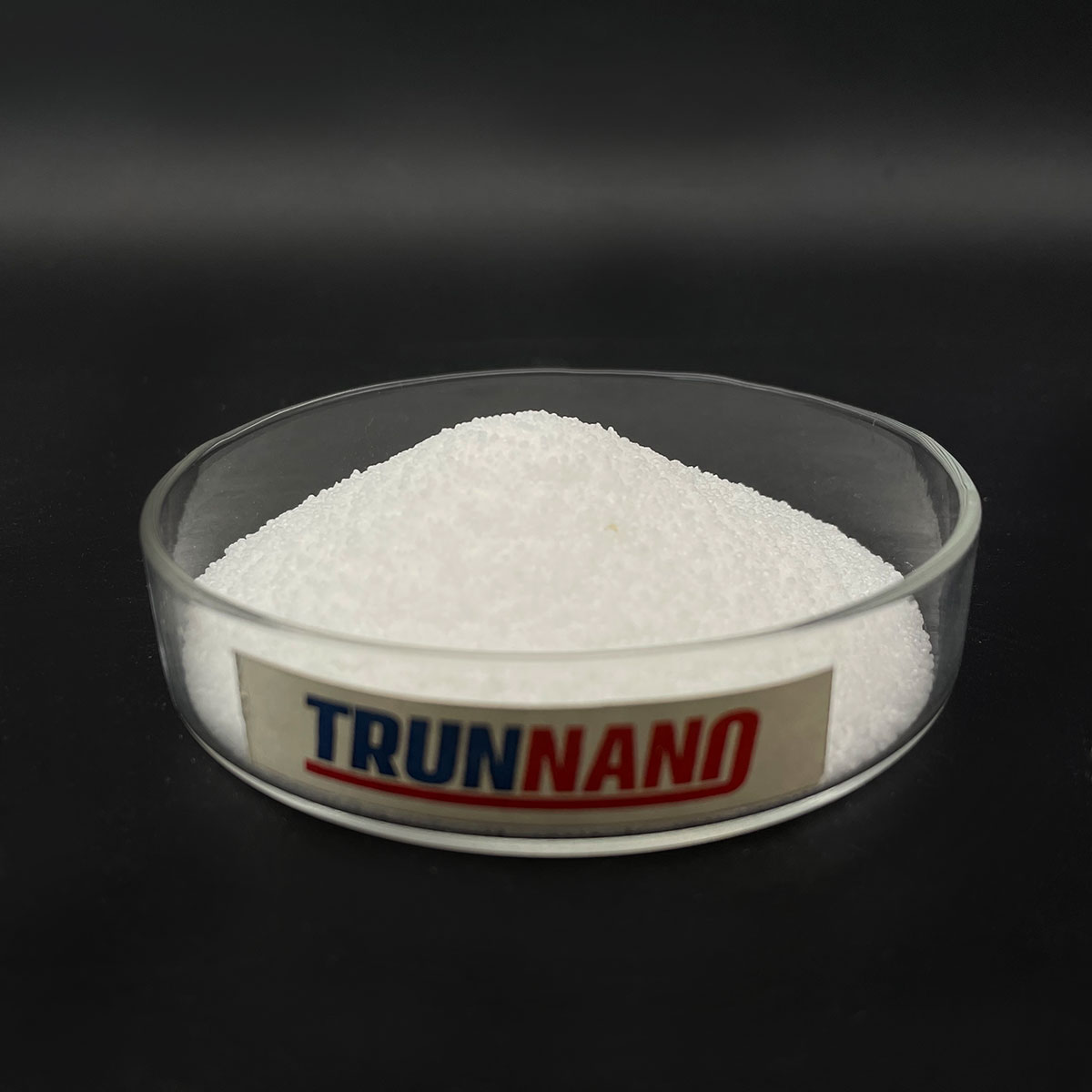
Research is focused on reducing the carbon footprint of HGM production. Solar-powered furnaces and bio-based binders are being tested to create eco-friendly manufacturing processes.
5. Conclusion
Hollow glass microspheres exemplify the synergy between scientific ingenuity and practical application. From deep-sea exploration to sustainable energy, their unique properties drive innovation across industries. As research advances, HGMs may unlock new frontiers in material science, from AI-driven smart materials to bio-compatible medical solutions. The journey of HGMs—from laboratory curiosity to engineering staple—reflects humanity’s relentless pursuit of lightweight, high-performance materials. With continued investment in manufacturing techniques and application development, these tiny spheres are poised to shape the future of technology and sustainability.
6. Supplier
TRUNNANO is a globally recognized Hollow Glass Microspheres manufacturer and supplier of compounds with more than 12 years of expertise in the highest quality nanomaterials and other chemicals. The company develops a variety of powder materials and chemicals. Provide OEM service. If you need high quality Hollow Glass Microspheres, please feel free to contact us. You can click on the product to contact us.
Tags: Hollow Glass Microspheres, glass microspheres, hollow glass spheres
1.1 Composition and Microstructure
1.1.1 Chemical Composition: Borosilicate Dominance
Hollow glass microspheres (HGMs) are primarily composed of borosilicate glass, a material renowned for its low thermal expansion coefficient and chemical inertness. The chemical makeup typically includes silica (SiO₂, 50-90%), alumina (Al₂O₃, 10-50%), and trace oxides like sodium (Na₂O) and calcium (CaO). These components create a robust, lightweight structure with particle sizes ranging from 10 to 250 micrometers and wall thicknesses of 1-2 micrometers. The borosilicate composition ensures high resistance to thermal shock and corrosion, making HGMs ideal for extreme environments.
Hollow Glass Microspheres
The hollow spherical geometry of HGMs is engineered to minimize material density while maximizing structural integrity. Each sphere contains a sealed cavity filled with inert gas (e.g., CO₂ or nitrogen), which suppresses heat transfer via gas convection. The thin walls, often just 1% of the particle diameter, balance low density with mechanical strength. This design also enables efficient packing in composite materials, reducing voids and enhancing performance.
1.2 Physical Properties and Mechanisms
1.2.1 Thermal Insulation: Gas Convection Suppression
The hollow core of HGMs reduces thermal conductivity to as low as 0.038 W/(m·K), outperforming conventional insulators like polyurethane foam. The trapped gas molecules exhibit limited movement, minimizing heat transfer through conduction and convection. This property is exploited in applications ranging from building insulation to cryogenic storage tanks.
1.2.2 Mechanical Strength: Compressive Resistance and Durability
Despite their low density (0.1–0.7 g/mL), HGMs exhibit impressive compressive strength (5–120 MPa), depending on wall thickness and composition. The spherical shape distributes stress evenly, preventing crack propagation and enhancing durability. This makes HGMs suitable for high-load applications, such as deep-sea buoyancy modules and automotive composites.
2. Manufacturing Processes and Technological Innovations
2.1 Traditional Production Methods
2.1.1 Glass Powder Method
The glass powder method involves melting borosilicate glass, atomizing it into droplets, and cooling them rapidly to form hollow spheres. This process requires precise temperature control to ensure uniform wall thickness and prevent defects.
2.1.2 Spray Granulation and Flame Spraying
Spray granulation mixes glass powder with a binder, forming droplets that are dried and sintered. Flame spraying uses a high-temperature flame to melt glass particles, which are then propelled into a cooling chamber to solidify as hollow spheres. Both methods prioritize scalability but may require post-processing to remove impurities.
2.2 Advanced Techniques and Optimizations
2.2.1 Soft Chemical Synthesis for Precision Control
Soft chemical synthesis employs sol-gel techniques to create HGMs with tailored sizes and wall thicknesses. This method allows for precise control over microsphere properties, enhancing performance in specialized applications like drug delivery systems.
2.2.2 Vacuum Impregnation for Enhanced Distribution
In composite manufacturing, vacuum impregnation ensures HGMs are evenly distributed within resin matrices. This technique reduces voids, improves mechanical properties, and optimizes thermal performance. It is critical for applications like solid buoyancy materials in deep-sea exploration.
3. Diverse Applications Across Industries
3.1 Aerospace and Deep-Sea Engineering
3.1.1 Solid Buoyancy Materials for Submersibles
HGMs serve as the backbone of solid buoyancy materials in submersibles and deep-sea robots. Their low density and high compressive strength enable vessels to withstand extreme pressures at depths exceeding 10,000 meters. For example, China’s “Fendouzhe” submersible uses HGM-based composites to achieve buoyancy while maintaining structural integrity.
3.1.2 Thermal Insulation in Spacecraft
In spacecraft, HGMs reduce heat transfer during atmospheric re-entry and insulate critical components from temperature fluctuations. Their lightweight nature also contributes to fuel efficiency, making them ideal for aerospace applications.
3.2 Energy and Environmental Solutions
3.2.1 Hydrogen Storage and Separation
Hydrogen-filled HGMs offer a safe, high-capacity storage solution for clean energy. Their impermeable walls prevent gas leakage, while their low weight enhances portability. Research is ongoing to improve hydrogen release rates for practical applications.
3.2.2 Reflective Coatings for Energy Efficiency
HGMs are incorporated into reflective coatings for buildings, reducing cooling costs by reflecting infrared radiation. A single-layer coating can lower roof temperatures by up to 17°C, significantly cutting energy consumption.
4. Future Prospects and Research Directions
4.1 Advanced Material Integrations
4.1.1 Smart Buoyancy Materials with AI Integration
Future HGMs may incorporate AI to dynamically adjust buoyancy for marine robots. This innovation could revolutionize underwater exploration by enabling real-time adaptation to environmental changes.
4.1.2 Bio-Medical Applications: Drug Carriers
Hollow glass microspheres are being explored as drug carriers for targeted delivery. Their biocompatibility and customizable surface chemistry allow for controlled release of therapeutics, enhancing treatment efficacy.
4.2 Sustainable Production and Environmental Impact
4.2.1 Recycling and Reuse Strategies
Developing closed-loop recycling systems for HGMs could minimize waste and reduce production costs. Advanced sorting technologies may enable the separation of HGMs from composite materials for reprocessing.
Hollow Glass Microspheres
4.2.2 Green Manufacturing ProcessesResearch is focused on reducing the carbon footprint of HGM production. Solar-powered furnaces and bio-based binders are being tested to create eco-friendly manufacturing processes.
5. Conclusion
Hollow glass microspheres exemplify the synergy between scientific ingenuity and practical application. From deep-sea exploration to sustainable energy, their unique properties drive innovation across industries. As research advances, HGMs may unlock new frontiers in material science, from AI-driven smart materials to bio-compatible medical solutions. The journey of HGMs—from laboratory curiosity to engineering staple—reflects humanity’s relentless pursuit of lightweight, high-performance materials. With continued investment in manufacturing techniques and application development, these tiny spheres are poised to shape the future of technology and sustainability.
6. Supplier
TRUNNANO is a globally recognized Hollow Glass Microspheres manufacturer and supplier of compounds with more than 12 years of expertise in the highest quality nanomaterials and other chemicals. The company develops a variety of powder materials and chemicals. Provide OEM service. If you need high quality Hollow Glass Microspheres, please feel free to contact us. You can click on the product to contact us.
Tags: Hollow Glass Microspheres, glass microspheres, hollow glass spheres
Leave a Reply
Your email address will not be published.Required fields are marked. *