
By Vincy | 24 September 2025 | 0 Comments
Spherical Aluminum Nitride: Unlocking Advanced Material Science for Tomorrow's Technology
1. The Fundamental Science of Spherical AlN
1.1 Atomic Structure and Bonding Mechanisms
1.1.1 The atomic arrangement of spherical aluminum nitride (AlN) begins with its hexagonal crystal lattice, where aluminum and nitrogen atoms alternate in a close-packed structure. Unlike conventional AlN powders with irregular shapes, the spherical morphology minimizes surface defects and enhances packing density. This unique structure arises from the strong covalent bonding between aluminum and nitrogen atoms, which imparts exceptional mechanical strength and thermal stability to the material.
Spherical Aluminum Nitride
1.1.2 The spherical shape also influences electronic behavior. In traditional AlN, grain boundaries and surface roughness can scatter electrons, reducing electrical conductivity. Spherical AlN particles, however, exhibit smoother surfaces and fewer defects, leading to improved charge carrier mobility. This property makes it ideal for applications requiring precise electronic control, such as in semiconductor devices where minimal signal interference is critical.
1.2 Thermal and Electrical Properties Explained
1.2.1 Thermal conductivity is a standout feature of spherical AlN. With values exceeding 180 W/m·K at room temperature, it outperforms many ceramic materials. This high thermal conductivity stems from the efficient phonon transport within the spherical particles, which lack the phonon-scattering grain boundaries common in polyhedral AlN. As a result, spherical AlN efficiently dissipates heat in high-power electronics, preventing thermal runaway and extending device lifespan.
1.2.2 Despite its thermal prowess, spherical AlN remains an excellent electrical insulator. Its wide bandgap (around 6.2 eV) ensures minimal free electron conduction, making it safe for use in high-voltage applications. This duality—high thermal conductivity paired with electrical insulation—positions spherical AlN as a unique solution for hybrid systems where both heat management and electrical isolation are required, such as in electric vehicle power modules.
2. Innovative Manufacturing Techniques
2.1 Traditional Synthesis Methods and Their Drawbacks
2.1.1 Early methods for producing spherical AlN relied on solid-state reactions, where aluminum and nitrogen sources were heated to high temperatures. While this approach yielded AlN, the resulting particles were often irregularly shaped with inconsistent sizes. Such heterogeneity caused performance variations in final products, limiting reliability in precision applications. Additionally, high-temperature processes consumed significant energy, raising production costs and environmental concerns.
2.1.2 Another conventional technique involved sol-gel processing, which produced finer particles but struggled with achieving spherical morphology. The gel-derived AlN often required post-synthesis annealing, introducing additional steps and potential contamination. These limitations highlighted the need for more efficient, scalable methods to produce high-quality spherical AlN.
2.2 Cutting-Edge Approaches for Spherical Morphology
2.2.1 Spray pyrolysis emerged as a breakthrough technique. By atomizing precursor solutions into fine droplets and subjecting them to rapid thermal decomposition, this method directly forms spherical particles with controlled size distributions. The process allows precise tuning of particle characteristics, such as diameter and surface roughness, through adjustments in precursor concentration, temperature, and carrier gas flow.
2.2.2 Plasma-enhanced chemical vapor deposition (PECVD) offers another advanced pathway. In this method, aluminum-containing gases react with nitrogen in a plasma environment, depositing spherical AlN layers on substrates or forming free-standing particles. The plasma’s high energy enables lower processing temperatures and faster reaction rates compared to traditional thermal methods. This reduces energy consumption and minimizes unwanted side reactions, yielding purer spherical AlN with superior properties.
3. Real-World Applications Across Industries
3.1 Electronics and Semiconductor Advancements
3.1.1 In semiconductor packaging, spherical AlN acts as a thermal interface material (TIM). Its high thermal conductivity and spherical shape ensure optimal contact between chip surfaces and heat sinks, reducing thermal resistance. This capability is critical for next-generation microprocessors and high-brightness LEDs, where efficient heat dissipation prevents performance degradation and extends operational reliability.
3.1.2 The material also finds use in thin-film substrates for high-frequency devices. Spherical AlN’s low dielectric constant and minimal piezoelectric losses make it suitable for radio-frequency (RF) filters and antennas in 5G communication systems. These applications benefit from the material’s ability to maintain signal integrity while withstanding thermal stress during operation.
3.2 Energy Storage and Conversion Innovations
3.2.1 In energy storage, spherical AlN enhances lithium-ion battery performance. As an additive in electrode materials, it improves thermal management during rapid charging and discharging cycles. The spherical particles create pathways for efficient heat diffusion, reducing hot spots and mitigating thermal degradation of the battery chemistry. This extends cycle life and enhances safety—a critical factor for electric vehicles and grid-scale storage systems.
3.2.2 For fuel cells, spherical AlN serves as a protective coating for electrodes. Its chemical inertness and thermal stability shield reactive components from corrosion and thermal stress. In solid oxide fuel cells (SOFCs), for instance, AlN coatings prevent oxidation of metallic interconnects at high operating temperatures, ensuring long-term durability and efficiency.
4. Future Prospects and Emerging Research
4.1 Challenges in Large-Scale Production
4.1.1 Despite advancements, scaling spherical AlN production remains challenging. Uniformity in particle size and shape across large batches requires precise control of synthesis parameters. Variations in precursor purity, temperature gradients, and reaction kinetics can introduce defects, reducing material quality. Addressing these issues demands advanced process monitoring and automation, such as real-time feedback systems to adjust synthesis conditions dynamically.
4.1.2 Cost reduction is another hurdle. While innovative techniques like PECVD lower energy use, initial setup costs for specialized equipment remain high. Research into cost-effective precursors and recycling methods could mitigate expenses. For example, recovering unused aluminum from industrial waste streams could provide a sustainable feedstock, aligning with circular economy principles.
4.2 Pioneering Research Directions
4.2.1 Nanostructured spherical AlN is a burgeoning research area. By engineering particles at the nanoscale, scientists aim to unlock quantum effects that enhance properties like thermal conductivity or electrical response. Such nanostructures could enable novel applications in quantum computing, where precise thermal and electrical control is paramount for qubit stability.
4.2.2 Hybrid materials combining spherical AlN with polymers or other ceramics are also under exploration. These composites could leverage the thermal and electrical strengths of AlN while introducing flexibility or impact resistance from the polymer matrix. Such materials might revolutionize flexible electronics, wearable sensors, and aerospace components, where lightweight, durable, and thermally efficient materials are in high demand.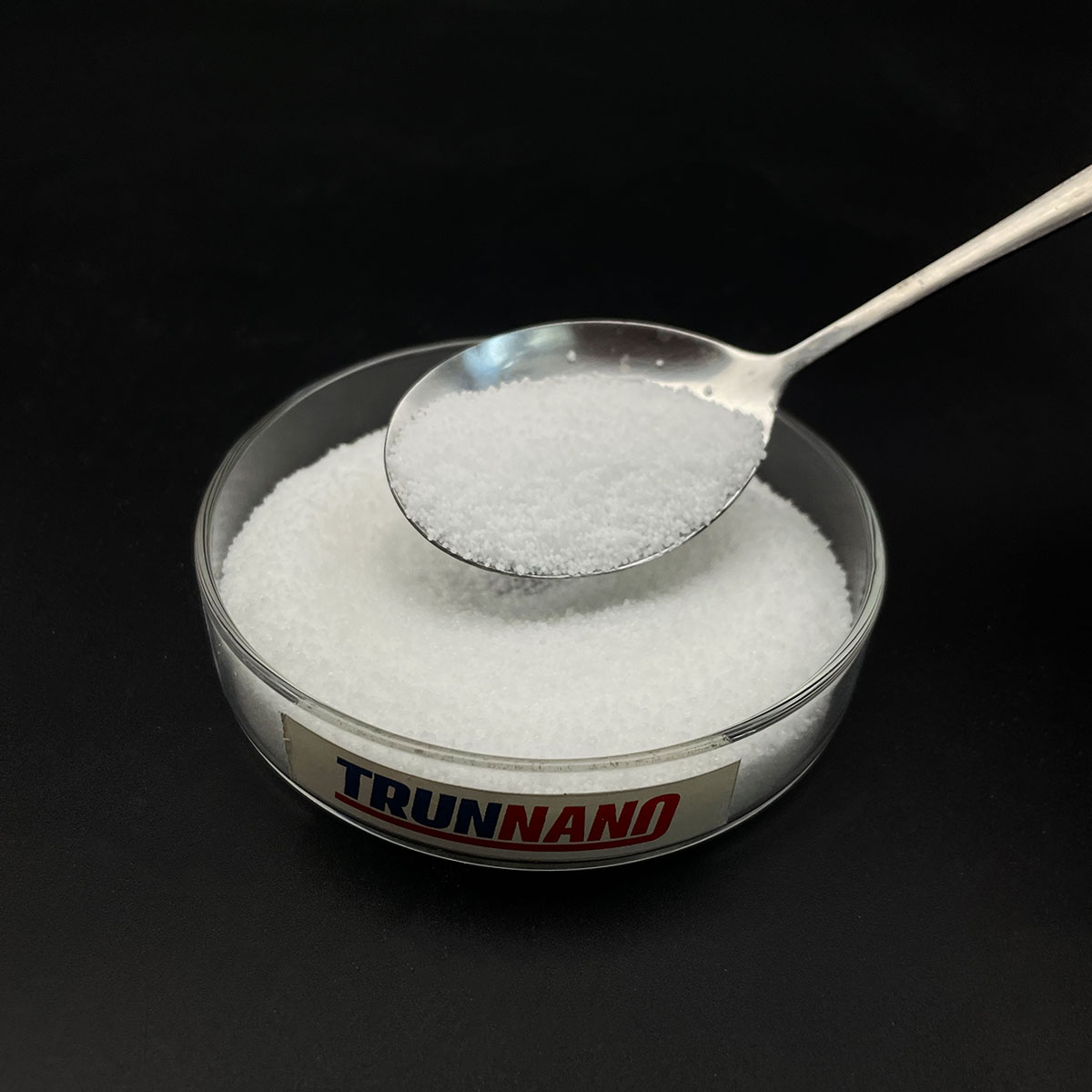
Spherical Aluminum Nitride
The journey of spherical aluminum nitride from laboratory curiosity to industrial staple reflects the interplay between material science, engineering innovation, and real-world demand. As researchers refine synthesis techniques, uncover new properties, and address production challenges, spherical AlN is poised to redefine performance standards across electronics, energy, and advanced manufacturing. Its unique blend of thermal prowess, electrical insulation, and morphological advantages positions it not just as a material of today but as a cornerstone of tomorrow’s technological landscape.
5. Supplier
TRUNNANO is a globally recognized spherical aluminum nitride manufacturer and supplier of compounds with more than 12 years of expertise in the highest quality nanomaterials and other chemicals. The company develops a variety of powder materials and chemicals. Provide OEM service. If you need high quality spherical aluminum nitride, please feel free to contact us. You can click on the product to contact us.
Tags: spherical aluminum nitride, Aluminum Nitride, al nitride
1.1 Atomic Structure and Bonding Mechanisms
1.1.1 The atomic arrangement of spherical aluminum nitride (AlN) begins with its hexagonal crystal lattice, where aluminum and nitrogen atoms alternate in a close-packed structure. Unlike conventional AlN powders with irregular shapes, the spherical morphology minimizes surface defects and enhances packing density. This unique structure arises from the strong covalent bonding between aluminum and nitrogen atoms, which imparts exceptional mechanical strength and thermal stability to the material.
Spherical Aluminum Nitride
1.2 Thermal and Electrical Properties Explained
1.2.1 Thermal conductivity is a standout feature of spherical AlN. With values exceeding 180 W/m·K at room temperature, it outperforms many ceramic materials. This high thermal conductivity stems from the efficient phonon transport within the spherical particles, which lack the phonon-scattering grain boundaries common in polyhedral AlN. As a result, spherical AlN efficiently dissipates heat in high-power electronics, preventing thermal runaway and extending device lifespan.
1.2.2 Despite its thermal prowess, spherical AlN remains an excellent electrical insulator. Its wide bandgap (around 6.2 eV) ensures minimal free electron conduction, making it safe for use in high-voltage applications. This duality—high thermal conductivity paired with electrical insulation—positions spherical AlN as a unique solution for hybrid systems where both heat management and electrical isolation are required, such as in electric vehicle power modules.
2. Innovative Manufacturing Techniques
2.1 Traditional Synthesis Methods and Their Drawbacks
2.1.1 Early methods for producing spherical AlN relied on solid-state reactions, where aluminum and nitrogen sources were heated to high temperatures. While this approach yielded AlN, the resulting particles were often irregularly shaped with inconsistent sizes. Such heterogeneity caused performance variations in final products, limiting reliability in precision applications. Additionally, high-temperature processes consumed significant energy, raising production costs and environmental concerns.
2.1.2 Another conventional technique involved sol-gel processing, which produced finer particles but struggled with achieving spherical morphology. The gel-derived AlN often required post-synthesis annealing, introducing additional steps and potential contamination. These limitations highlighted the need for more efficient, scalable methods to produce high-quality spherical AlN.
2.2 Cutting-Edge Approaches for Spherical Morphology
2.2.1 Spray pyrolysis emerged as a breakthrough technique. By atomizing precursor solutions into fine droplets and subjecting them to rapid thermal decomposition, this method directly forms spherical particles with controlled size distributions. The process allows precise tuning of particle characteristics, such as diameter and surface roughness, through adjustments in precursor concentration, temperature, and carrier gas flow.
2.2.2 Plasma-enhanced chemical vapor deposition (PECVD) offers another advanced pathway. In this method, aluminum-containing gases react with nitrogen in a plasma environment, depositing spherical AlN layers on substrates or forming free-standing particles. The plasma’s high energy enables lower processing temperatures and faster reaction rates compared to traditional thermal methods. This reduces energy consumption and minimizes unwanted side reactions, yielding purer spherical AlN with superior properties.
3. Real-World Applications Across Industries
3.1 Electronics and Semiconductor Advancements
3.1.1 In semiconductor packaging, spherical AlN acts as a thermal interface material (TIM). Its high thermal conductivity and spherical shape ensure optimal contact between chip surfaces and heat sinks, reducing thermal resistance. This capability is critical for next-generation microprocessors and high-brightness LEDs, where efficient heat dissipation prevents performance degradation and extends operational reliability.
3.1.2 The material also finds use in thin-film substrates for high-frequency devices. Spherical AlN’s low dielectric constant and minimal piezoelectric losses make it suitable for radio-frequency (RF) filters and antennas in 5G communication systems. These applications benefit from the material’s ability to maintain signal integrity while withstanding thermal stress during operation.
3.2 Energy Storage and Conversion Innovations
3.2.1 In energy storage, spherical AlN enhances lithium-ion battery performance. As an additive in electrode materials, it improves thermal management during rapid charging and discharging cycles. The spherical particles create pathways for efficient heat diffusion, reducing hot spots and mitigating thermal degradation of the battery chemistry. This extends cycle life and enhances safety—a critical factor for electric vehicles and grid-scale storage systems.
3.2.2 For fuel cells, spherical AlN serves as a protective coating for electrodes. Its chemical inertness and thermal stability shield reactive components from corrosion and thermal stress. In solid oxide fuel cells (SOFCs), for instance, AlN coatings prevent oxidation of metallic interconnects at high operating temperatures, ensuring long-term durability and efficiency.
4. Future Prospects and Emerging Research
4.1 Challenges in Large-Scale Production
4.1.1 Despite advancements, scaling spherical AlN production remains challenging. Uniformity in particle size and shape across large batches requires precise control of synthesis parameters. Variations in precursor purity, temperature gradients, and reaction kinetics can introduce defects, reducing material quality. Addressing these issues demands advanced process monitoring and automation, such as real-time feedback systems to adjust synthesis conditions dynamically.
4.1.2 Cost reduction is another hurdle. While innovative techniques like PECVD lower energy use, initial setup costs for specialized equipment remain high. Research into cost-effective precursors and recycling methods could mitigate expenses. For example, recovering unused aluminum from industrial waste streams could provide a sustainable feedstock, aligning with circular economy principles.
4.2 Pioneering Research Directions
4.2.1 Nanostructured spherical AlN is a burgeoning research area. By engineering particles at the nanoscale, scientists aim to unlock quantum effects that enhance properties like thermal conductivity or electrical response. Such nanostructures could enable novel applications in quantum computing, where precise thermal and electrical control is paramount for qubit stability.
4.2.2 Hybrid materials combining spherical AlN with polymers or other ceramics are also under exploration. These composites could leverage the thermal and electrical strengths of AlN while introducing flexibility or impact resistance from the polymer matrix. Such materials might revolutionize flexible electronics, wearable sensors, and aerospace components, where lightweight, durable, and thermally efficient materials are in high demand.
Spherical Aluminum Nitride
5. Supplier
TRUNNANO is a globally recognized spherical aluminum nitride manufacturer and supplier of compounds with more than 12 years of expertise in the highest quality nanomaterials and other chemicals. The company develops a variety of powder materials and chemicals. Provide OEM service. If you need high quality spherical aluminum nitride, please feel free to contact us. You can click on the product to contact us.
Tags: spherical aluminum nitride, Aluminum Nitride, al nitride
Leave a Reply
Your email address will not be published.Required fields are marked. *