
By Vincy | 16 October 2025 | 0 Comments
Spherical Alumina: A Material Revolutionizing Industries
1. The Fundamental Science of Spherical Alumina
1.1 Atomic Architecture and Crystal Symmetry
Spherical alumina, a specialized form of aluminum oxide (Al2O3), derives its unique properties from its distinctive atomic arrangement. Unlike conventional alumina powders with irregular shapes, spherical alumina particles exhibit near-perfect spherical geometry. This morphology arises from the crystal’s hexagonal close-packed (hcp) structure, where oxygen ions form a hexagonal lattice while aluminum ions occupy octahedral interstices. The spherical shape minimizes surface energy and enhances packing density, critical for applications requiring consistent thermal and mechanical performance. At the atomic level, the material’s symmetry reduces defects and grain boundaries, contributing to its exceptional purity and stability.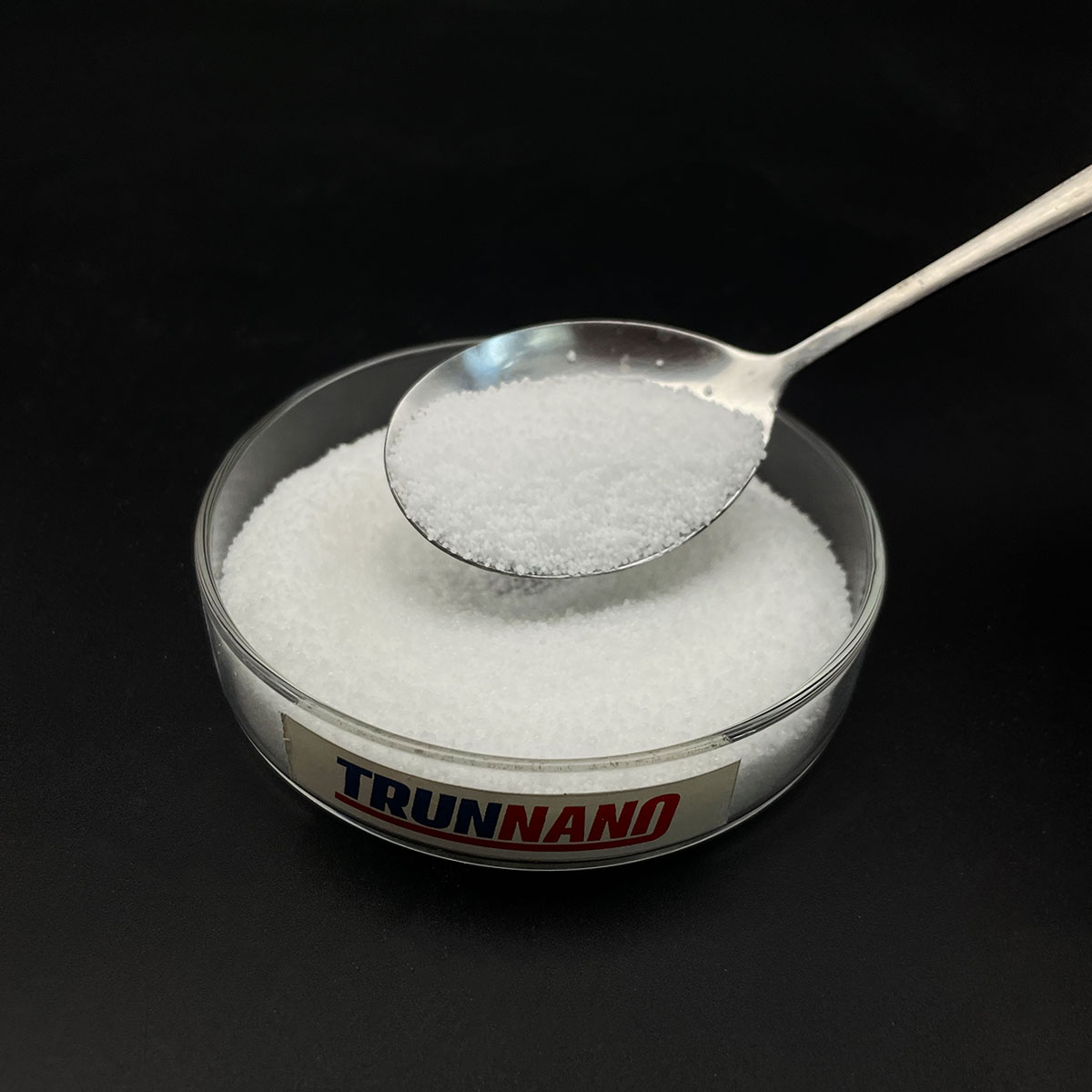
Spherical alumina
1.1.1 Surface Chemistry and Electron Density
The surface chemistry of spherical alumina plays a pivotal role in its functionality. Alumina surfaces terminate with hydroxyl (-OH) groups due to exposure to moisture, creating reactive sites for chemical interactions. Electron density mapping reveals uniform charge distribution across spherical particles, enabling predictable behavior in catalytic and electrical applications. This surface homogeneity reduces localized charge buildup, minimizing electrical breakdown risks in high-voltage systems.
1.2 Thermal and Mechanical Properties
Spherical alumina’s thermal conductivity, often exceeding 30 W/mK, makes it ideal for heat dissipation in electronics. Its low thermal expansion coefficient (5-7 ppm/K) ensures minimal dimensional changes under temperature fluctuations, crucial for precision devices. Mechanically, the material exhibits high compressive strength (1-2 GPa) and wear resistance, outperforming angular alumina in abrasive environments.
1.2.1 Thermal Conductivity Mechanisms
Heat transfer in spherical alumina occurs through phonon-mediated lattice vibrations. The spherical geometry reduces phonon scattering at particle interfaces, enhancing thermal transport efficiency. This property is exploited in thermal interface materials (TIMs) for microprocessors, where efficient heat dissipation prevents overheating and extends device lifespan.
1.2.2 Mechanical Resilience Under Stress
The material’s mechanical resilience stems from its isotropic structure, distributing stress evenly across particles. In composite materials, spherical alumina reinforces polymers and metals without creating stress concentrators, unlike sharp-edged particles. This uniform stress distribution improves fatigue resistance and fracture toughness.
2. Manufacturing Processes for Spherical Alumina
2.1 Sol-Gel Synthesis and Controlled Crystallization
The sol-gel process dominates spherical alumina production due to its precision in controlling particle size and morphology. Aluminum alkoxides hydrolyze in aqueous solutions, forming a sol of aluminum hydroxide nanoparticles. Gelation occurs through controlled drying, followed by calcination at 800-1200°C to convert hydroxides into crystalline alumina. Temperature ramp rates and atmosphere control during calcination determine final particle size (1-50 µm) and phase purity.
2.1.1 Sol-Gel Parameter Optimization
Key parameters include precursor concentration, pH, and aging time. Higher precursor concentrations yield larger particles, while acidic conditions promote spherical growth. Aging allows Ostwald ripening, where smaller particles dissolve and redeposit onto larger ones, refining spherical geometry.
2.2 Flame Spray Pyrolysis for High-Throughput Production
Flame spray pyrolysis offers a scalable alternative to sol-gel methods. A precursor solution (e.g., aluminum nitrate) is atomized into a high-temperature flame (2000-3000°C), where rapid dehydration and crystallization form spherical alumina nanoparticles. This method produces particles with narrow size distributions but requires precise control of flame temperature and residence time to avoid sintering or aggregation.
2.2.1 Combustion Dynamics and Particle Formation
The flame’s thermodynamic conditions dictate particle nucleation and growth rates. High temperatures accelerate precursor decomposition but risk forming non-spherical byproducts. Optimized oxygen-fuel ratios ensure complete combustion while maintaining spherical morphology through surface tension-driven shaping during rapid quenching.
3. Industrial Applications of Spherical Alumina
3.1 Electronics and Thermal Management
In electronics, spherical alumina serves as a TIM filler in packages for CPUs, LEDs, and power modules. Its high thermal conductivity and low thermal resistance improve heat dissipation efficiency by 30-50% compared to traditional fillers like boron nitride. The spherical shape reduces interfacial voids, enhancing contact area and thermal conductivity.
3.1.1 TIM Formulation and Performance Metrics
TIMs blend spherical alumina with polymers (e.g., silicone) to balance thermal performance and rheology. Particle loading optimizes viscosity for easy application while maximizing thermal conductivity. Testing protocols like ASTM D5470 measure thermal impedance, guiding formulation adjustments for specific applications.
3.2 Catalysis and Environmental Remediation
Spherical alumina’s high surface area (50-200 m²/g) and chemical inertness make it an ideal catalyst support. In automotive catalytic converters, platinum or palladium nanoparticles deposited on spherical alumina enhance reaction kinetics for NOx reduction. For environmental applications, iron-doped spherical alumina adsorbs heavy metals like arsenic and lead from wastewater through surface complexation.
3.2.1 Catalytic Activity Enhancement
The spherical geometry promotes uniform catalyst dispersion, minimizing hotspots and maximizing active site accessibility. In hydrogenation reactions, spherical alumina-supported catalysts show 20% higher conversion rates than irregular counterparts due to reduced mass transfer limitations.
4. Future Prospects and Innovations
4.1 Nanotechnology and Functional Coatings
Advances in nanotechnology enable the synthesis of sub-micron spherical alumina for next-generation applications. Functional coatings, such as boron-doped spherical alumina, enhance electrical conductivity for use in lithium-ion battery electrodes, improving energy density and charge rates.
4.1.1 Nanoscale Spherical Alumina in Energy Storage
In battery anodes, nanoscale spherical alumina acts as a buffer layer, mitigating volume changes during lithium intercalation. This reduces mechanical stress and extends cycle life by 40% compared to conventional graphite anodes.
4.2 Sustainable Manufacturing and Circular Economy
Research focuses on eco-friendly synthesis routes, such as bio-based sol-gel processes using renewable precursors. Recycling initiatives aim to recover spherical alumina from end-of-life electronics and catalytic converters, aligning with circular economy principles.
4.2.1 Green Synthesis and Waste Valorization
Bio-derived precursors like alginate reduce reliance on synthetic chemicals, lowering the environmental footprint. Pyrolysis of industrial waste streams (e.g., red mud) offers a cost-effective pathway to spherical alumina production while addressing waste management challenges.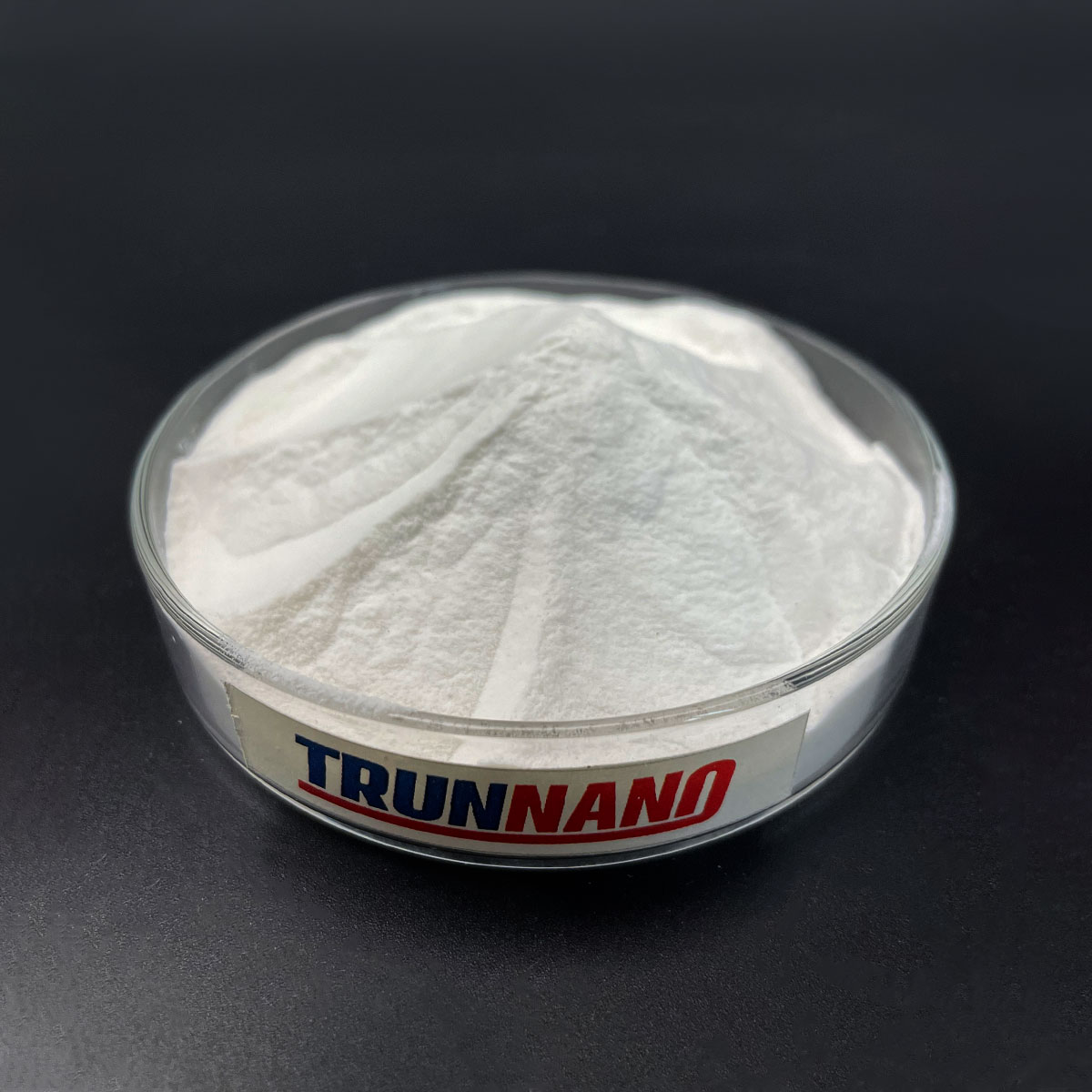
Spherical alumina
5. Conclusion
Spherical alumina’s unique combination of thermal, mechanical, and chemical properties positions it as a transformative material across industries. From enabling next-generation electronics to advancing sustainable technologies, its applications continue to expand through ongoing research in synthesis methods, functional modifications, and recycling strategies. As scientists refine manufacturing processes and explore novel applications, spherical alumina is poised to play an increasingly vital role in addressing global challenges in energy efficiency, environmental protection, and advanced material design.
6. Supplier
TRUNNANO is a globally recognized Spherical alumina manufacturer and supplier of compounds with more than 12 years of expertise in the highest quality nanomaterials and other chemicals. The company develops a variety of powder materials and chemicals. Provide OEM service. If you need high quality Spherical alumina, please feel free to contact us. You can click on the product to contact us.
Tags: Spherical alumina, alumina, aluminum oxide
1.1 Atomic Architecture and Crystal Symmetry
Spherical alumina, a specialized form of aluminum oxide (Al2O3), derives its unique properties from its distinctive atomic arrangement. Unlike conventional alumina powders with irregular shapes, spherical alumina particles exhibit near-perfect spherical geometry. This morphology arises from the crystal’s hexagonal close-packed (hcp) structure, where oxygen ions form a hexagonal lattice while aluminum ions occupy octahedral interstices. The spherical shape minimizes surface energy and enhances packing density, critical for applications requiring consistent thermal and mechanical performance. At the atomic level, the material’s symmetry reduces defects and grain boundaries, contributing to its exceptional purity and stability.
Spherical alumina
The surface chemistry of spherical alumina plays a pivotal role in its functionality. Alumina surfaces terminate with hydroxyl (-OH) groups due to exposure to moisture, creating reactive sites for chemical interactions. Electron density mapping reveals uniform charge distribution across spherical particles, enabling predictable behavior in catalytic and electrical applications. This surface homogeneity reduces localized charge buildup, minimizing electrical breakdown risks in high-voltage systems.
1.2 Thermal and Mechanical Properties
Spherical alumina’s thermal conductivity, often exceeding 30 W/mK, makes it ideal for heat dissipation in electronics. Its low thermal expansion coefficient (5-7 ppm/K) ensures minimal dimensional changes under temperature fluctuations, crucial for precision devices. Mechanically, the material exhibits high compressive strength (1-2 GPa) and wear resistance, outperforming angular alumina in abrasive environments.
1.2.1 Thermal Conductivity Mechanisms
Heat transfer in spherical alumina occurs through phonon-mediated lattice vibrations. The spherical geometry reduces phonon scattering at particle interfaces, enhancing thermal transport efficiency. This property is exploited in thermal interface materials (TIMs) for microprocessors, where efficient heat dissipation prevents overheating and extends device lifespan.
1.2.2 Mechanical Resilience Under Stress
The material’s mechanical resilience stems from its isotropic structure, distributing stress evenly across particles. In composite materials, spherical alumina reinforces polymers and metals without creating stress concentrators, unlike sharp-edged particles. This uniform stress distribution improves fatigue resistance and fracture toughness.
2. Manufacturing Processes for Spherical Alumina
2.1 Sol-Gel Synthesis and Controlled Crystallization
The sol-gel process dominates spherical alumina production due to its precision in controlling particle size and morphology. Aluminum alkoxides hydrolyze in aqueous solutions, forming a sol of aluminum hydroxide nanoparticles. Gelation occurs through controlled drying, followed by calcination at 800-1200°C to convert hydroxides into crystalline alumina. Temperature ramp rates and atmosphere control during calcination determine final particle size (1-50 µm) and phase purity.
2.1.1 Sol-Gel Parameter Optimization
Key parameters include precursor concentration, pH, and aging time. Higher precursor concentrations yield larger particles, while acidic conditions promote spherical growth. Aging allows Ostwald ripening, where smaller particles dissolve and redeposit onto larger ones, refining spherical geometry.
2.2 Flame Spray Pyrolysis for High-Throughput Production
Flame spray pyrolysis offers a scalable alternative to sol-gel methods. A precursor solution (e.g., aluminum nitrate) is atomized into a high-temperature flame (2000-3000°C), where rapid dehydration and crystallization form spherical alumina nanoparticles. This method produces particles with narrow size distributions but requires precise control of flame temperature and residence time to avoid sintering or aggregation.
2.2.1 Combustion Dynamics and Particle Formation
The flame’s thermodynamic conditions dictate particle nucleation and growth rates. High temperatures accelerate precursor decomposition but risk forming non-spherical byproducts. Optimized oxygen-fuel ratios ensure complete combustion while maintaining spherical morphology through surface tension-driven shaping during rapid quenching.
3. Industrial Applications of Spherical Alumina
3.1 Electronics and Thermal Management
In electronics, spherical alumina serves as a TIM filler in packages for CPUs, LEDs, and power modules. Its high thermal conductivity and low thermal resistance improve heat dissipation efficiency by 30-50% compared to traditional fillers like boron nitride. The spherical shape reduces interfacial voids, enhancing contact area and thermal conductivity.
3.1.1 TIM Formulation and Performance Metrics
TIMs blend spherical alumina with polymers (e.g., silicone) to balance thermal performance and rheology. Particle loading optimizes viscosity for easy application while maximizing thermal conductivity. Testing protocols like ASTM D5470 measure thermal impedance, guiding formulation adjustments for specific applications.
3.2 Catalysis and Environmental Remediation
Spherical alumina’s high surface area (50-200 m²/g) and chemical inertness make it an ideal catalyst support. In automotive catalytic converters, platinum or palladium nanoparticles deposited on spherical alumina enhance reaction kinetics for NOx reduction. For environmental applications, iron-doped spherical alumina adsorbs heavy metals like arsenic and lead from wastewater through surface complexation.
3.2.1 Catalytic Activity Enhancement
The spherical geometry promotes uniform catalyst dispersion, minimizing hotspots and maximizing active site accessibility. In hydrogenation reactions, spherical alumina-supported catalysts show 20% higher conversion rates than irregular counterparts due to reduced mass transfer limitations.
4. Future Prospects and Innovations
4.1 Nanotechnology and Functional Coatings
Advances in nanotechnology enable the synthesis of sub-micron spherical alumina for next-generation applications. Functional coatings, such as boron-doped spherical alumina, enhance electrical conductivity for use in lithium-ion battery electrodes, improving energy density and charge rates.
4.1.1 Nanoscale Spherical Alumina in Energy Storage
In battery anodes, nanoscale spherical alumina acts as a buffer layer, mitigating volume changes during lithium intercalation. This reduces mechanical stress and extends cycle life by 40% compared to conventional graphite anodes.
4.2 Sustainable Manufacturing and Circular Economy
Research focuses on eco-friendly synthesis routes, such as bio-based sol-gel processes using renewable precursors. Recycling initiatives aim to recover spherical alumina from end-of-life electronics and catalytic converters, aligning with circular economy principles.
4.2.1 Green Synthesis and Waste Valorization
Bio-derived precursors like alginate reduce reliance on synthetic chemicals, lowering the environmental footprint. Pyrolysis of industrial waste streams (e.g., red mud) offers a cost-effective pathway to spherical alumina production while addressing waste management challenges.
Spherical alumina
5. Conclusion
Spherical alumina’s unique combination of thermal, mechanical, and chemical properties positions it as a transformative material across industries. From enabling next-generation electronics to advancing sustainable technologies, its applications continue to expand through ongoing research in synthesis methods, functional modifications, and recycling strategies. As scientists refine manufacturing processes and explore novel applications, spherical alumina is poised to play an increasingly vital role in addressing global challenges in energy efficiency, environmental protection, and advanced material design.
6. Supplier
TRUNNANO is a globally recognized Spherical alumina manufacturer and supplier of compounds with more than 12 years of expertise in the highest quality nanomaterials and other chemicals. The company develops a variety of powder materials and chemicals. Provide OEM service. If you need high quality Spherical alumina, please feel free to contact us. You can click on the product to contact us.
Tags: Spherical alumina, alumina, aluminum oxide
Leave a Reply
Your email address will not be published.Required fields are marked. *