
Sodium Silicate vs. Potassium Silicate: Choosing the Right Binder for Refractories
In high‑temperature industries such as steelmaking, non‑ferrous metallurgy, petrochemical processing, cement production, and industrial furnace engineering, refractories serve as the critical thermal barrier and structural foundation. The binder system directly determines processing performance, green strength, high‑temperature stability, service life, and overall cost of refractory products. Among inorganic binders, sodium silicate and potassium silicate (commonly called water glass) are the most widely used, cost‑effective, and industrially mature options.
Many refractory producers and end users face a recurring question: Which binder is better—sodium silicate or potassium silicate? The answer is not about which is universally superior, but which matches your raw material formula, production process, operating temperature, chemical environment, and economic targets.
This article compares sodium silicate and potassium silicate in chemical composition, key physical properties, binding mechanism, process behavior, high‑temperature performance, application scenarios, and economic balance. It also provides a clear selection framework to help you choose the optimal silicate binder for your refractory products.
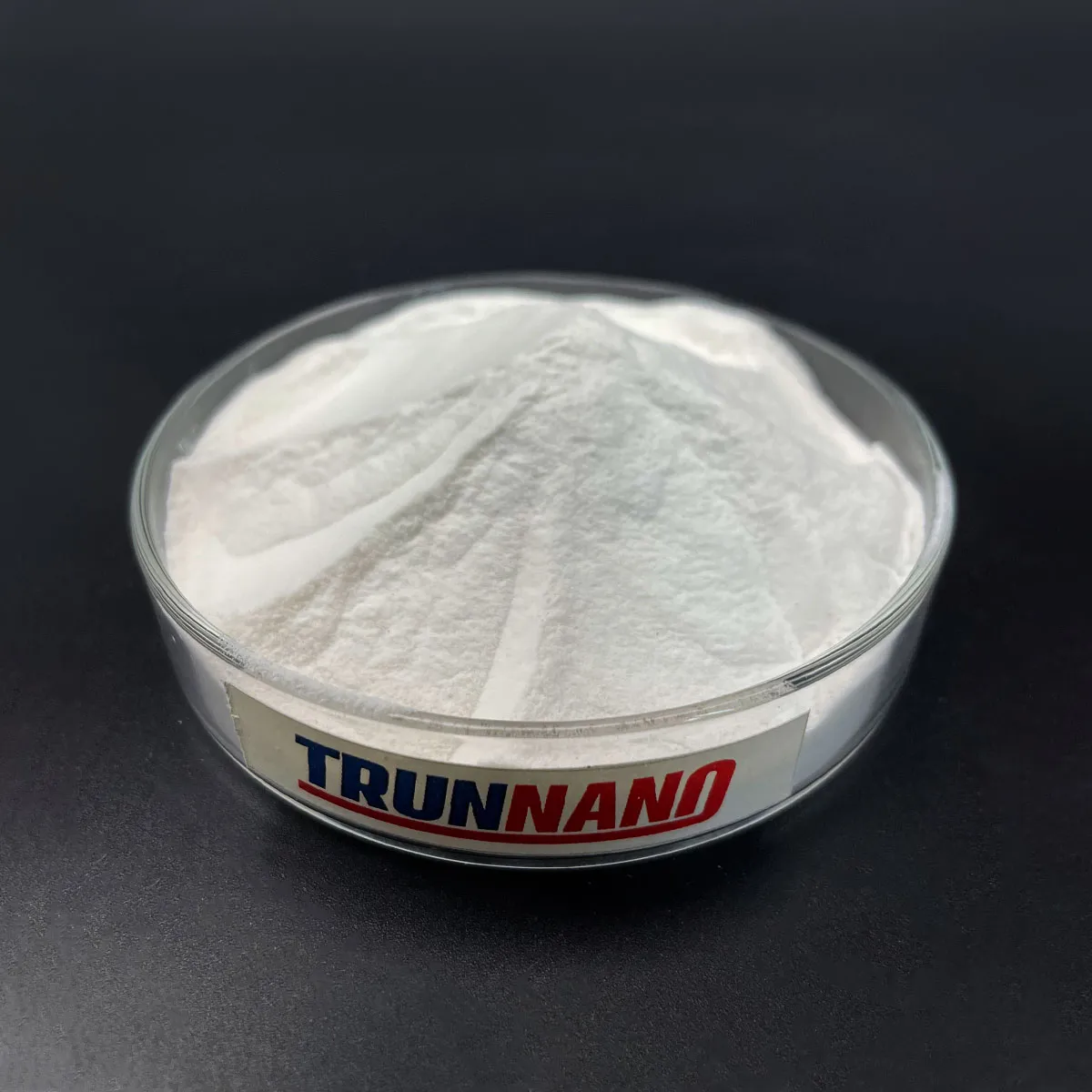
Potassium Silicate
1. Fundamentals of Silicate Binders in Refractories
1.1 What Are Silicate Binders?
Silicate binders are water‑soluble inorganic alkaline salts formed by alkali metal oxides (Na₂O or K₂O) and silica (SiO₂). They act as a “bridge” between refractory aggregates and powders, providing green strength before firing, curing strength during drying, and ceramic bonding at high temperatures.
Compared to organic binders, phosphate binders, and cement binders, alkali silicate binders offer:
-
Good solubility and easy dispersion
-
High bonding strength at medium and high temperatures
-
Low smoke, low carbon residue, and environmental friendliness
-
Compatibility with most refractory raw materials
-
Stable supply and controllable cost
1.2 Core Parameters: Modulus and Concentration
Two parameters define silicate performance:
-
Modulus (M) = SiO₂ / M₂O molar ratio. Higher modulus means higher SiO₂, stronger bonding, higher refractoriness, and slower curing.
-
Concentration (solid content or Baume degree). A higher concentration provides faster strength development, but higher viscosity.
For refractory use:
-
Sodium silicate: modulus 2.0–3.3, Baume 30–50 °Bé
-
Potassium silicate: modulus 2.4–3.1, Baume 35–48 °Bé
1.3 Binding Mechanism
-
Physical bonding: Water evaporation leads to gelation and solidification
-
Chemical bonding: Reaction with hardeners (e.g., fluosilicate, acidic phosphate) forms insoluble networks
-
Ceramic bonding: At high temperatures, silicate softens and bonds aggregates into a dense structure
2. Sodium Silicate: The Cost‑Effective Workhorse Binder
2.1 Chemical & Physical Properties
-
Formula: Na₂O·nSiO₂
-
White to grayish, transparent or slightly turbid liquid
-
Good solubility, medium viscosity, stable storage
-
Lower hygroscopicity than potassium silicate
-
Cures quickly with CO₂ or fluosilicate hardeners
2.2 Key Advantages in Refractory Use
-
Excellent cost efficiency, lower raw material and production cost; ideal for mass‑produced standard refractories.
-
Fast curing & high green strength. Supports rapid forming, extrusion, and molding; reduces demolding time.
-
Good process compatibility. Works with clay, high‑alumina, mullite, magnesia‑alumina, and perlite systems.
-
Mature CO₂ curing process. Widely used in unshaped refractories and precast blocks.
2.3 Limitations
-
Lower refractoriness: Softens earlier at high temperatures
-
Risk of sodium migration: May cause volumetric instability or spalling
-
Moderate acid resistance: Vulnerable to strong acid and acidic slag
-
Higher thermal expansion: Less resistant to rapid thermal cycling
2.4 Typical Applications
-
Standard fire bricks
-
General‑purpose castables and plastic refractories
-
Insulation boards with perlite/vermiculite
-
Foundry refractory coatings and molds
-
Medium‑temperature furnace linings (≤1350°C)
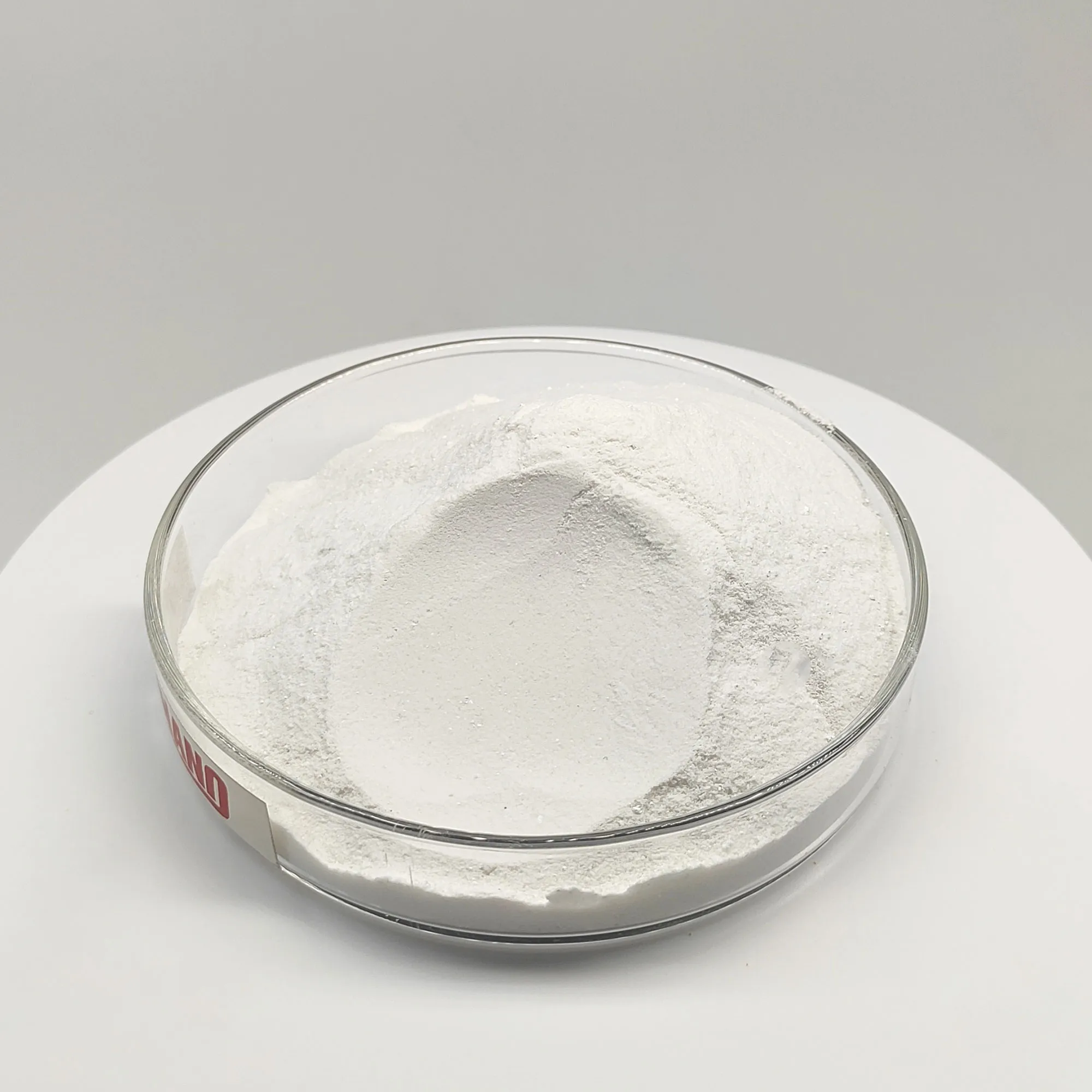
Sodium Silicate Powder
3. Potassium Silicate: The High‑Performance Premium Binder
3.1 Chemical & Physical Properties
-
Formula: K₂O·nSiO₂
-
Colorless or pale yellow viscous liquid
-
Higher solubility than sodium silicate
-
Better wetting on refractory powders
-
Higher thermal stability and softening point
-
Lower hygroscopicity after curing
3.2 Key Advantages in Refractory Use
-
Superior high‑temperature resistance. Higher refractoriness; maintains strength at elevated temperatures.
-
Better thermal shock resistance, lower thermal expansion, and less cracking during heating/cooling cycles.
-
Stronger chemical resistance. Improved resistance to acid, slag, and corrosive gases.
-
Denser microstructureReduces porosity and improves impermeability.
-
Stable alkali retention. Less alkali volatilization and migration.
3.3 Limitations
-
Higher cost than sodium silicate
-
Slightly slower room‑temperature curing
-
May require adjusted hardener dosage
-
Less domestic production capacity in some regions
3.4 Typical Applications
-
High‑alumina and mullite refractories
-
Low‑cement and ultra‑low‑cement castables
-
Acid‑resistant and corrosion‑resistant linings
-
High‑temperature insulation and fireproof boards
-
Welding electrode coatings and ceramic molds
-
Key parts for steel, metallurgy, and petrochemical furnaces
Supplier
Luoyang Tongrun Nano Technology Co. Ltd. (TRUNNANO) Luoyang City, Henan Province, China, is a reliable and high-quality global chemical material supplier and manufacturer. It has more than 12 years of experience providing ultra-high quality chemicals and nanotechnology materials, including Hexagonal boron nitride, nitride powder, Hexagonal boron nitride powder, sulfide powder, and 3D printing powder. If you are looking for high-quality and cost-effective Sodium Silicate, you are welcome to contact us or inquire any time.