
Silicon Carbide: The Rise of a Versatile Material
Introduction
In the field of materials science, Silicon Carbide (SiC) has attracted much attention for its remarkable physical and chemical properties. As a covalently bonded compound composed of silicon and carbon, SiC's excellent performance under high temperature, high pressure, and highly corrosive environments makes it an ideal choice for semiconductors, ceramics, abrasives, and many high-performance applications. This article will take a deep look at the properties of SiC, its preparation methods, its application areas, and its future development prospects.
Properties
Silicon Carbide has an impressive set of properties, including high hardness (Mohs hardness 9.25), high thermal conductivity (up to 200 W/m·K), wide bandgap (2.2 eV to 3.3 eV), high breakdown field strength, and excellent chemical stability. These properties enable SiC to work under extreme conditions without the failure of traditional silicon-based materials.
Preparation Methods
Several different methods can synthesize Silicon Carbide. The most common is the Acheson process, which involves mixing and heating graphite powder and silica (quartz sand) at high temperatures (about 2000°C). In addition, there are methods such as liquid phase epitaxy (LPE), vapor phase transport (VPE), and chemical vapor deposition (CVD) for manufacturing high-quality single-crystal and polycrystalline silicon carbide.
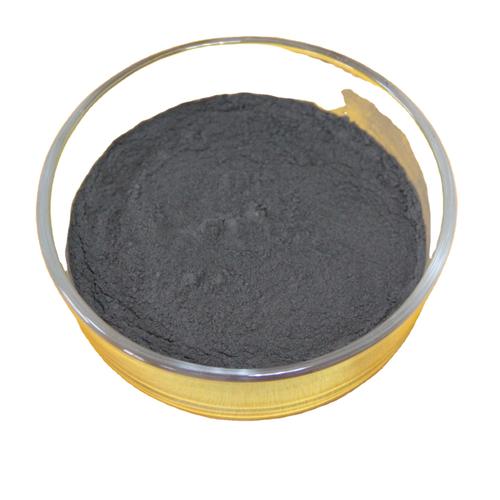
Application areas
Power electronics: Silicon carbide diodes and transistors have great potential in electric vehicles, solar inverters, and smart grids because of their high efficiency and high-voltage resistance.
Optical applications: Transparent silicon carbide is used to make high-temperature and radiation-resistant windows and lenses for military, aerospace, and laser technology.
Abrasives and cutting tools: As one of the hardest materials, silicon carbide is widely used in grinding wheels, sandpaper, and cutting tools.
Ceramics: Ceramic components used in high-temperature environments, such as engine parts and bulletproof armor, take advantage of the high-temperature stability and wear resistance of silicon carbide.

Biomedical: Silicon carbide-based composites exhibit biocompatibility and mechanical strength in orthopedic implants and drug delivery systems.
Future Outlook
As the demand for high-performance materials grows, silicon carbide is gradually moving from the laboratory to the market. In the semiconductor industry, SiC devices are expected to significantly improve energy efficiency and reduce system size and weight, especially in the automotive and renewable energy fields. In addition, researchers are exploring lower-cost SiC production methods and new application areas, such as quantum computing and photonics, which will further promote the development of silicon carbide technology.
In short, silicon carbide has become a shining pearl in the field of materials science with its unique properties and wide applicability, and its future development prospects are exciting. With the deepening of research and the advancement of technology, silicon carbide will show its irreplaceable value in more fields.
High Quality Supplier
TRUNNANO is a globally recognized manufacturer and supplier of compounds with more than 12 years of expertise in the highest quality nanomaterials and other chemicals. The company develops a variety of powder materials and chemicals. Provide OEM service. If you need high quality SiC Powder, please feel free to contact us. You can click on the product to contact us.