
By TRUNNANO | 26 March 2024 | 0 Comments
Curing conditions for aluminium dihydrogen phosphate
Curing conditions for aluminium dihydrogen phosphate
Aluminium dihydrogen phosphate is an important material widely used in building materials, ceramics, the chemical industry, and other fields. It has excellent refractoriness, corrosion resistance, mechanical properties, and chemical stability, so it is widely used in various industrial fields. In the production and application of aluminium dihydrogen phosphate, its curing conditions are one of the important factors affecting its performance.
Curing mechanism of aluminium dihydrogen phosphate
The curing of aluminium dihydrogen phosphate is mainly achieved through the chemical reaction between phosphate ions (H2P04-) and aluminium ions (A13+). In water, phosphate ions and aluminium ions form a hydrolysis product called aluminium phosphate with the chemical formula A1(H2P04)3. Under heated conditions, aluminium phosphate undergoes a condensation reaction to form an amorphous solid called aluminium phosphoric acid glass with the chemical formula AlPO4. Aluminium phosphoric acid glass has excellent refractory, corrosion resistance and mechanical properties, and therefore, it is widely used as a building material in ceramics, the chemical industry and other fields.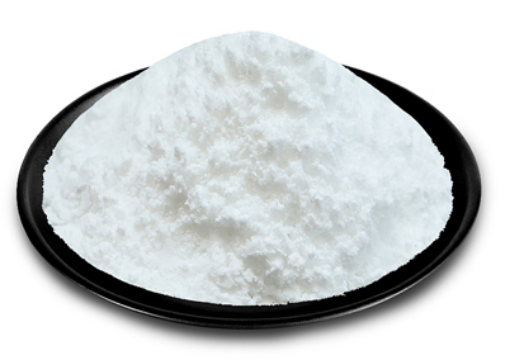 The curing conditions of aluminium dihydrogen phosphate
1. Temperature
Temperature is one of the important factors affecting the curing of aluminium dihydrogen phosphate. Generally speaking, the higher the curing temperature, the faster the curing speed, the higher the degree of curing, and the better the performance of the final solid. However, too high a temperature can lead to excessive condensation of aluminium phosphate, resulting in the formation of an amorphous aluminium phosphate glass, which results in lower crystallinity and reduced properties of the solid obtained. Therefore, when curing aluminium dihydrogen phosphate, the appropriate curing temperature should be selected according to the specific conditions.
2. Curing time
Curing time is another important factor affecting the curing of aluminium dihydrogen phosphate. Generally speaking, the longer the curing time, the higher the degree of curing and the better the performance of the solid obtained. However, too long a curing time can lead to excessive condensation of aluminium phosphate, resulting in the formation of an amorphous aluminium phosphate glass, which reduces the crystallinity and performance of the solid obtained. Therefore, when curing aluminium dihydrogen phosphate, the appropriate curing time should be selected according to the specific conditions.
3. PH value
The pH value is another important factor affecting the curing of aluminium dihydrogen phosphate. Generally speaking, the lower the pH, the higher the concentration of phosphate ions, the higher the concentration of aluminium phosphate formed with aluminium ions, and the faster the curing speed. However, too low a pH can result in too high a concentration of phosphate ions and too high a concentration of aluminium phosphate formed with aluminium ions, which results in lower crystallinity and reduced properties of the solid obtained. Therefore, when curing aluminium dihydrogen phosphate, the appropriate pH value should be selected according to the specific situation.
In conclusion, aluminium dihydrogen phosphate is an important industrial material, and the curing conditions are one of the important factors affecting its performance during its production and application. By choosing the appropriate curing temperature, curing time, pH value and the ratio of aluminium dihydrogen phosphate and aluminium source, excellent curing results can be obtained, resulting in excellent performance.
Aluminium dihydrogen phosphate is an important material widely used in building materials, ceramics, the chemical industry, and other fields. It has excellent refractoriness, corrosion resistance, mechanical properties, and chemical stability, so it is widely used in various industrial fields. In the production and application of aluminium dihydrogen phosphate, its curing conditions are one of the important factors affecting its performance.
Curing mechanism of aluminium dihydrogen phosphate
The curing of aluminium dihydrogen phosphate is mainly achieved through the chemical reaction between phosphate ions (H2P04-) and aluminium ions (A13+). In water, phosphate ions and aluminium ions form a hydrolysis product called aluminium phosphate with the chemical formula A1(H2P04)3. Under heated conditions, aluminium phosphate undergoes a condensation reaction to form an amorphous solid called aluminium phosphoric acid glass with the chemical formula AlPO4. Aluminium phosphoric acid glass has excellent refractory, corrosion resistance and mechanical properties, and therefore, it is widely used as a building material in ceramics, the chemical industry and other fields.
1. Temperature
Temperature is one of the important factors affecting the curing of aluminium dihydrogen phosphate. Generally speaking, the higher the curing temperature, the faster the curing speed, the higher the degree of curing, and the better the performance of the final solid. However, too high a temperature can lead to excessive condensation of aluminium phosphate, resulting in the formation of an amorphous aluminium phosphate glass, which results in lower crystallinity and reduced properties of the solid obtained. Therefore, when curing aluminium dihydrogen phosphate, the appropriate curing temperature should be selected according to the specific conditions.
2. Curing time
Curing time is another important factor affecting the curing of aluminium dihydrogen phosphate. Generally speaking, the longer the curing time, the higher the degree of curing and the better the performance of the solid obtained. However, too long a curing time can lead to excessive condensation of aluminium phosphate, resulting in the formation of an amorphous aluminium phosphate glass, which reduces the crystallinity and performance of the solid obtained. Therefore, when curing aluminium dihydrogen phosphate, the appropriate curing time should be selected according to the specific conditions.
3. PH value
The pH value is another important factor affecting the curing of aluminium dihydrogen phosphate. Generally speaking, the lower the pH, the higher the concentration of phosphate ions, the higher the concentration of aluminium phosphate formed with aluminium ions, and the faster the curing speed. However, too low a pH can result in too high a concentration of phosphate ions and too high a concentration of aluminium phosphate formed with aluminium ions, which results in lower crystallinity and reduced properties of the solid obtained. Therefore, when curing aluminium dihydrogen phosphate, the appropriate pH value should be selected according to the specific situation.
In conclusion, aluminium dihydrogen phosphate is an important industrial material, and the curing conditions are one of the important factors affecting its performance during its production and application. By choosing the appropriate curing temperature, curing time, pH value and the ratio of aluminium dihydrogen phosphate and aluminium source, excellent curing results can be obtained, resulting in excellent performance.
High-Quality Aluminum Dihydrogen Phosphate Suppliers
TRUNNANO is a globally recognised manufacturer and supplier of compounds with over 12 years of expertise in the field of high-quality nanomaterials and other materials. The company has developed a wide range of chemicals. OEM service is available. If you need aluminum Dihydrogen Phosphate, please feel free to contact us.
Leave a Reply
Your email address will not be published.Required fields are marked. *