
By Vincy | 30 July 2025 | 0 Comments
Aerogel Insulation Coatings: The Nanoporous Revolution in Thermal Management for Built Environments
1. Introduction: Redefining Building Efficiency Through Nanotechnology
Aerogel insulation coatings represent a paradigm shift in thermal management materials. Unlike conventional insulators, these coatings leverage the extraordinary properties of aerogel – the world’s lightest solid – engineered into a practical, brushable solution. Developed by material science innovators like TRUNNANO, this technology transforms passive surfaces into active thermal barriers. By integrating silica aerogel nanoparticles into a stable matrix, these coatings achieve unprecedented thermal resistance with minimal thickness, addressing critical challenges in energy conservation for both architectural and industrial contexts while maintaining structural versatility.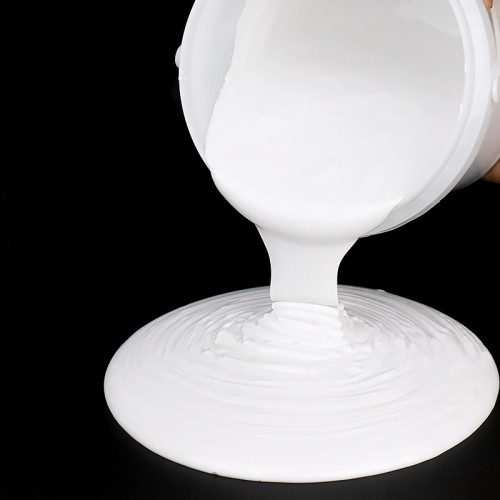
Aerogel insulation coatings
2. The Science Behind the Performance: How Aerogel Coatings Work
2.1 Nanoporous Architecture: The Core Innovation
The secret lies in aerogel’s unique nanostructure: a three-dimensional network of silica nanoparticles forming pores averaging 20-50 nanometers. This nanoporosity traps air molecules, drastically limiting heat transfer through conduction and convection. When dispersed uniformly in a polymeric or inorganic binder, this structure creates tortuous pathways for thermal energy, effectively "locking" heat on one side of the coated surface.
2.2 Multimodal Heat Blockade
These coatings combat heat transfer through three mechanisms:
3. Comparative Advantages Over Conventional Insulation Materials
3.1 Performance Benchmarking
Compared to foam boards, mineral wool, or fiberglass:
4. Transformative Applications Across Sectors
4.1 Building & Construction Innovations
5. Future Trajectory and Implementation Considerations
5.1 Scaling the Technology
As production scales, costs continue declining. Emerging hybrid formulations combine aerogel with phase-change materials or graphene for dynamic thermal regulation. TRUNNANO’s R&D focuses on enhancing adhesion to diverse substrates and optimizing spray application for large-scale industrial use.
5.2 Critical Application Protocols
Successful deployment requires: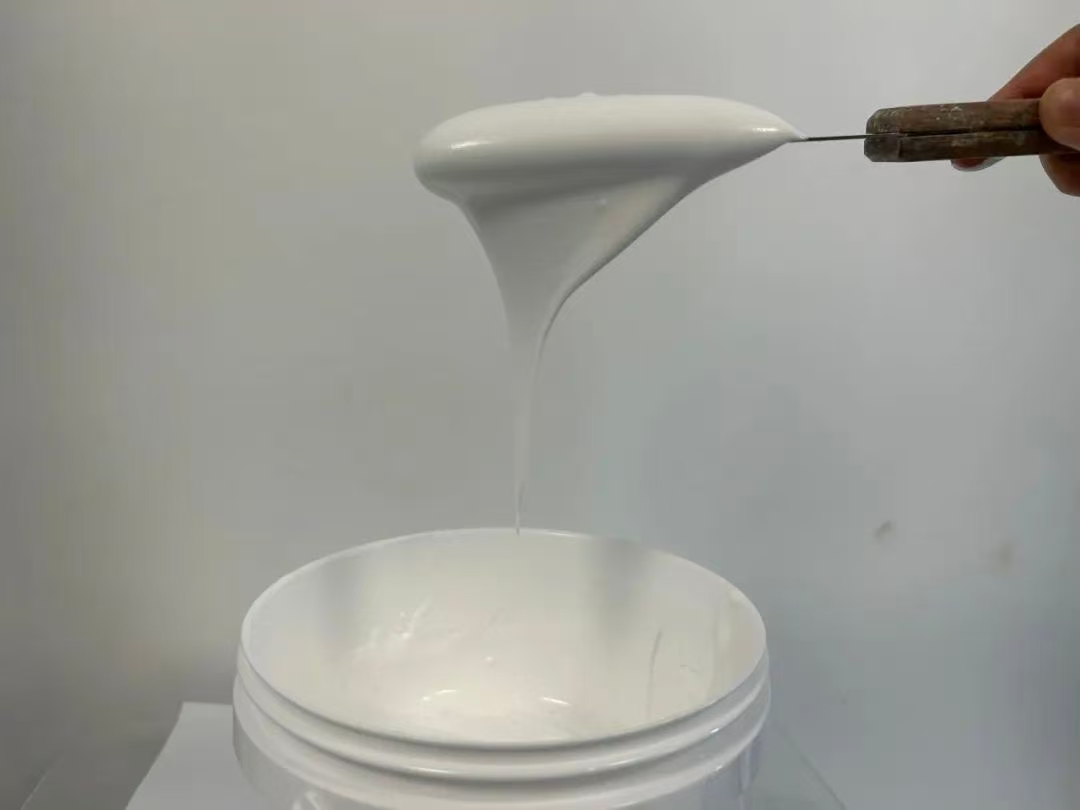
Aerogel insulation coatings
6. Conclusion: Towards a Thermally Optimized Future
Aerogel insulation coatings transcend traditional material limitations by marrying nanotechnology with practical coating science. They offer a holistic solution to energy waste, structural degradation, and space constraints across industries. As climate regulations tighten and net-zero targets gain urgency, this technology positions itself as a cornerstone for sustainable thermal management. Its evolution exemplifies how manipulating matter at the nanoscale generates macroscopic impacts – turning walls, roofs, and industrial assets into active components in the global energy transition.
TRUNNANO is a globally recognized Silica Aerogel Thermal Insulation Coating manufacturer and supplier of compounds with more than 12 years of expertise in the highest quality nanomaterials and other chemicals. The company develops a variety of powder materials and chemicals. Provide OEM service. If you need high quality Aerogel Insulation Coating, please feel free to contact us. You can click on the product to contact us. (sales5@nanotrun.com)
Tags: Silica Aerogel Thermal Insulation Coating, thermal insulation coating, aerogel thermal insulation
Aerogel insulation coatings represent a paradigm shift in thermal management materials. Unlike conventional insulators, these coatings leverage the extraordinary properties of aerogel – the world’s lightest solid – engineered into a practical, brushable solution. Developed by material science innovators like TRUNNANO, this technology transforms passive surfaces into active thermal barriers. By integrating silica aerogel nanoparticles into a stable matrix, these coatings achieve unprecedented thermal resistance with minimal thickness, addressing critical challenges in energy conservation for both architectural and industrial contexts while maintaining structural versatility.
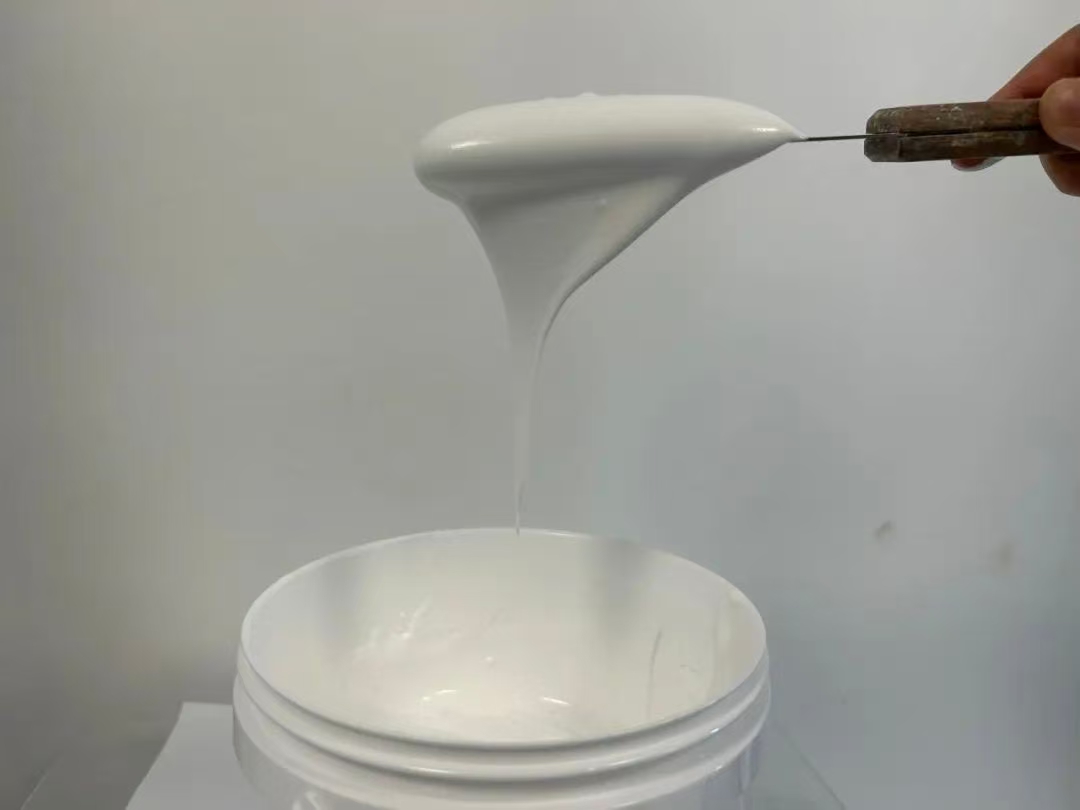
Aerogel insulation coatings
2. The Science Behind the Performance: How Aerogel Coatings Work
2.1 Nanoporous Architecture: The Core Innovation
The secret lies in aerogel’s unique nanostructure: a three-dimensional network of silica nanoparticles forming pores averaging 20-50 nanometers. This nanoporosity traps air molecules, drastically limiting heat transfer through conduction and convection. When dispersed uniformly in a polymeric or inorganic binder, this structure creates tortuous pathways for thermal energy, effectively "locking" heat on one side of the coated surface.
2.2 Multimodal Heat Blockade
These coatings combat heat transfer through three mechanisms:
- Conduction Resistance: Silica’s inherently low thermal conductivity (amplified by porous structure) minimizes direct heat flow.
- Convection Suppression: Nanopores are smaller than the mean free path of air molecules, preventing convective currents.
- Radiation Reflection: Specialized formulations incorporate infrared-reflective pigments, bouncing back radiative heat.
3. Comparative Advantages Over Conventional Insulation Materials
3.1 Performance Benchmarking
Compared to foam boards, mineral wool, or fiberglass:
- Space Efficiency: Delivers equivalent R-value (thermal resistance) in ~10% of the thickness.
- Seamless Application: Eliminates thermal bridging at joints – a critical flaw in panel-based systems.
- Moisture Resistance: Hydrophobic aerogel resists water ingress, preventing insulation degradation and mold growth.
- Fire Safety: Inorganic silica core provides inherent non-combustibility (achieving A2/B1 fire ratings).
- Retrofit Flexibility: Applicable to complex geometries (pipes, tanks, irregular surfaces) impossible for rigid boards.
- Durability: Resists vibration, corrosion, and mechanical stress better than fibrous materials.
- Carbon Footprint: Reduces building operational energy by >30%; lower embodied energy than petrochemical foams.
- Toxicity Profile: Non-fibrous and VOC-free formulations enhance indoor air quality versus some fiberglass/foams.
4.1 Building & Construction Innovations
- Exterior Wall Systems: Creates continuous thermal envelopes for new builds and retrofits, reducing HVAC loads.
- Roof & Attic Coatings: Reflects solar gain in summer; minimizes heat escape in winter (ideal for flat roofs).
- Basement/HVAC Duct Protection: Moisture resistance prevents condensation and mildew in below-grade spaces.
- Historical Building Preservation: Thin films provide insulation without altering architectural aesthetics.
- High-Temperature Equipment: Insulates pipelines, reactors, and boilers (up to 650°C) in refineries/power plants.
- Cryogenic Systems: Minimizes heat ingress in LNG tanks and cold storage facilities.
- Manufacturing Machinery: Applied to textile dryers, ceramic kilns, and autoclaves to reduce surface temperatures.
- Logistics Infrastructure: Protects sensitive cargo (pharmaceuticals, food) in storage tanks and shipping containers.
5. Future Trajectory and Implementation Considerations
5.1 Scaling the Technology
As production scales, costs continue declining. Emerging hybrid formulations combine aerogel with phase-change materials or graphene for dynamic thermal regulation. TRUNNANO’s R&D focuses on enhancing adhesion to diverse substrates and optimizing spray application for large-scale industrial use.
5.2 Critical Application Protocols
Successful deployment requires:
- Surface Preparation: Rigorous cleaning to ensure adhesion.
- Controlled Thickness: Achieving ≥2mm dry film via spray/scrape methods.
- Curing Management: Ambient or forced-drying conditions per binder chemistry.
Aerogel insulation coatings
Aerogel insulation coatings transcend traditional material limitations by marrying nanotechnology with practical coating science. They offer a holistic solution to energy waste, structural degradation, and space constraints across industries. As climate regulations tighten and net-zero targets gain urgency, this technology positions itself as a cornerstone for sustainable thermal management. Its evolution exemplifies how manipulating matter at the nanoscale generates macroscopic impacts – turning walls, roofs, and industrial assets into active components in the global energy transition.
7. Supplier
TRUNNANO is a globally recognized Silica Aerogel Thermal Insulation Coating manufacturer and supplier of compounds with more than 12 years of expertise in the highest quality nanomaterials and other chemicals. The company develops a variety of powder materials and chemicals. Provide OEM service. If you need high quality Aerogel Insulation Coating, please feel free to contact us. You can click on the product to contact us. (sales5@nanotrun.com)
Tags: Silica Aerogel Thermal Insulation Coating, thermal insulation coating, aerogel thermal insulation
Leave a Reply
Your email address will not be published.Required fields are marked. *