
By TRUNNANO | 30 March 2021 | 0 Comments
Do you know Li3N powder?
Summary of Lithium Nitride Li3N Powder
Lithium nitride is a metal nitrogen compound with a chemical formula of Li3N. It is a purple or red crystalline solid. It presents a light green luster under reflected light and a ruby color under transmitted light.
Lithium nitride is a fast ionic conductor, and its conductivity is higher than other inorganic lithium salts. Many types of research have focused on the application of lithium nitride as a solid electrode and cathode material for batteries.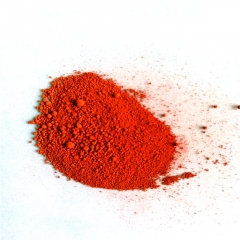 As a fast ion conductor material, it should have higher decomposition voltage, lower electronic conductivity, higher ion conductivity and better chemical stability. Many lithium fast-ion conductors have the above-mentioned characteristics and can be used to manufacture all-solid-state batteries with excellent performance, as the power source for calculators, camera flashes, electronic watches, and more and more electronic equipment and electronic products; it can also be used to manufacture special Ion equipment.
How to make lithium nitride
The preparation of lithium nitride can be made by directly reacting elemental nitrogen and lithium. It is usually made by burning lithium in pure nitrogen. Whether in the laboratory or in the industry, this method is the best way to prepare lithium nitride. Commonly used methods. In addition, nitrogen can also be introduced into liquid sodium dissolved with metallic lithium, and the lithium nitride prepared by the latter has a higher purity.
1.The method uses metal lithium and pure nitrogen to directly react at high temperatures, and the purity of the product can reach 95% to 99%.
The nitrogen gas is passed through the U-shaped tube containing phosphorus pentoxide and the quartz tube of red hot copper chips to fully deoxidize. Then the nitrogen gas is passed through the potassium hydroxide drying tube and the scrubber of concentrated sulfuric acid to further remove the water. The reaction tube is an iron tube with a length of 90 cm and an inner diameter of 5 cm. The tube is equipped with a small iron plate and a large iron plate. There is a resistance wire heating outside the tube and a thermocouple to measure the temperature.
2.In this method, a zirconia crucible is used as a container, and the reaction is carried out at a high temperature of 800°C to obtain lithium nitride crystals.
Cover the porcelain tube with a glass cover and seal it. The glass cover is connected with a three-way piston, which can be vacuumed or gas can be introduced. There is a serpentine tube at the periphery of the seal between the glass cover and the porcelain tube for cooling water.
Scrape the surface of the lithium in an argon operation box, cut it into small pieces, and put it into a crucible under the protection of argon. After sealing the porcelain tube, evacuate and vent nitrogen, and repeat the operation many times. If you want to prepare larger lithium nitride crystals, you can start nitriding at 400°C, and dilute the pure and dry nitrogen with 20% (volume fraction) of high-purity argon, and then gradually increase the temperature to 800°C to obtain nitrogen. Lithium.
How to store lithium nitride
Leakage emergency treatment
Emergency treatment: Isolate the leaked contaminated area and restrict access. Cut off the fire source. It is recommended that emergency personnel wear self-contained breathing apparatus and cotton anti-virus clothing. Do not directly touch the leakage.
A small amount of leakage: Cover with dry lime, sand or soda ash, and collect in a dry, clean, covered container with a clean shovel.
A large amount of leakage: collect and recycle or transport to waste disposal sites for disposal.
Handling and storage
Operation precautions: airtight operation, local exhaust. Prevent the release of dust into the air of the workshop. Operators must undergo special training and strictly abide by the operating procedures. It is recommended that operators wear self-priming filter dust masks, chemical safety glasses, rubber anti-corrosion overalls, and rubber gloves. Keep away from fire and heat sources, and smoking is strictly prohibited in the workplace. Use explosion-proof ventilation systems and equipment. Avoid generating dust. Avoid contact with oxidants and acids. Particular attention should be paid to avoid contact with water. Equipped with corresponding types and quantities of fire-fighting equipment and leakage emergency treatment equipment. Empty containers may be harmful residues.
Precautions for storage: Store in a cool, dry, and well-ventilated warehouse. Keep away from fire and heat sources. Avoid direct sunlight. The packaging must be sealed and protected from moisture. It should be stored separately from oxidants, acids, edible chemicals, etc., and avoid mixed storage. Use explosion-proof lighting and ventilation facilities. It is forbidden to use mechanical equipment and tools that are prone to sparks. The storage area should be equipped with suitable materials to contain the leakage.
It will not decompose if used and stored in accordance with specifications. Avoid contact with oxides, moisture/humidity, acid, air. Ammonia is liberated when it meets moisture, so it should be stored in nitrogen.
Disposal
Refer to relevant national and local regulations before disposal. It is recommended to use incineration for disposal.
Use copper nitride nanowires to "weave mesh" on the surface of lithium metal to suppress dendrites
The copper nitride nanowires were rolled on the lithium metal negative electrode to obtain the Li3N@Cu NWs-Li electrode. Li3N has high Li-ion conductivity, low conductivity, and high thermodynamic stability to Li metal. It suppresses the formation of dendrites and enhances the reversibility of the metal lithium deposition/dissolution process. In addition, the Li3N@Cu NWs layer has a three-dimensional open channel structure, which is conducive to the uniform flow of lithium ions at the interface between the metal lithium and the electrolyte. Due to the synergistic effect of the chemical composition and unique structure of the Li3N@Cu-NWs protective layer, the Li3N@Cu-NWs protective layer can significantly improve the electrochemical performance of Li symmetric batteries, Li-LiCoO2 and Li-Li4Ti5O12 batteries.
TRUNNANO (aka. Luoyang Tongrun Nano Technology Co. Ltd.) is a trusted global chemical material supplier & manufacturer with over 12 years' experience in providing super high-quality chemicals and Nanomaterials. Currently, our company has successfully developed a series of powder materials. OEM service is available. If you are looking for Li3N powder, please contact us. Or click on the needed products to send us an inquiry.
Lithium nitride is a metal nitrogen compound with a chemical formula of Li3N. It is a purple or red crystalline solid. It presents a light green luster under reflected light and a ruby color under transmitted light.
Lithium nitride is a fast ionic conductor, and its conductivity is higher than other inorganic lithium salts. Many types of research have focused on the application of lithium nitride as a solid electrode and cathode material for batteries.
How to make lithium nitride
The preparation of lithium nitride can be made by directly reacting elemental nitrogen and lithium. It is usually made by burning lithium in pure nitrogen. Whether in the laboratory or in the industry, this method is the best way to prepare lithium nitride. Commonly used methods. In addition, nitrogen can also be introduced into liquid sodium dissolved with metallic lithium, and the lithium nitride prepared by the latter has a higher purity.
1.The method uses metal lithium and pure nitrogen to directly react at high temperatures, and the purity of the product can reach 95% to 99%.
The nitrogen gas is passed through the U-shaped tube containing phosphorus pentoxide and the quartz tube of red hot copper chips to fully deoxidize. Then the nitrogen gas is passed through the potassium hydroxide drying tube and the scrubber of concentrated sulfuric acid to further remove the water. The reaction tube is an iron tube with a length of 90 cm and an inner diameter of 5 cm. The tube is equipped with a small iron plate and a large iron plate. There is a resistance wire heating outside the tube and a thermocouple to measure the temperature.
2.In this method, a zirconia crucible is used as a container, and the reaction is carried out at a high temperature of 800°C to obtain lithium nitride crystals.
Cover the porcelain tube with a glass cover and seal it. The glass cover is connected with a three-way piston, which can be vacuumed or gas can be introduced. There is a serpentine tube at the periphery of the seal between the glass cover and the porcelain tube for cooling water.
Scrape the surface of the lithium in an argon operation box, cut it into small pieces, and put it into a crucible under the protection of argon. After sealing the porcelain tube, evacuate and vent nitrogen, and repeat the operation many times. If you want to prepare larger lithium nitride crystals, you can start nitriding at 400°C, and dilute the pure and dry nitrogen with 20% (volume fraction) of high-purity argon, and then gradually increase the temperature to 800°C to obtain nitrogen. Lithium.
How to store lithium nitride
Leakage emergency treatment
Emergency treatment: Isolate the leaked contaminated area and restrict access. Cut off the fire source. It is recommended that emergency personnel wear self-contained breathing apparatus and cotton anti-virus clothing. Do not directly touch the leakage.
A small amount of leakage: Cover with dry lime, sand or soda ash, and collect in a dry, clean, covered container with a clean shovel.
A large amount of leakage: collect and recycle or transport to waste disposal sites for disposal.
Handling and storage
Operation precautions: airtight operation, local exhaust. Prevent the release of dust into the air of the workshop. Operators must undergo special training and strictly abide by the operating procedures. It is recommended that operators wear self-priming filter dust masks, chemical safety glasses, rubber anti-corrosion overalls, and rubber gloves. Keep away from fire and heat sources, and smoking is strictly prohibited in the workplace. Use explosion-proof ventilation systems and equipment. Avoid generating dust. Avoid contact with oxidants and acids. Particular attention should be paid to avoid contact with water. Equipped with corresponding types and quantities of fire-fighting equipment and leakage emergency treatment equipment. Empty containers may be harmful residues.
Precautions for storage: Store in a cool, dry, and well-ventilated warehouse. Keep away from fire and heat sources. Avoid direct sunlight. The packaging must be sealed and protected from moisture. It should be stored separately from oxidants, acids, edible chemicals, etc., and avoid mixed storage. Use explosion-proof lighting and ventilation facilities. It is forbidden to use mechanical equipment and tools that are prone to sparks. The storage area should be equipped with suitable materials to contain the leakage.
It will not decompose if used and stored in accordance with specifications. Avoid contact with oxides, moisture/humidity, acid, air. Ammonia is liberated when it meets moisture, so it should be stored in nitrogen.
Disposal
Refer to relevant national and local regulations before disposal. It is recommended to use incineration for disposal.
Use copper nitride nanowires to "weave mesh" on the surface of lithium metal to suppress dendrites
The copper nitride nanowires were rolled on the lithium metal negative electrode to obtain the Li3N@Cu NWs-Li electrode. Li3N has high Li-ion conductivity, low conductivity, and high thermodynamic stability to Li metal. It suppresses the formation of dendrites and enhances the reversibility of the metal lithium deposition/dissolution process. In addition, the Li3N@Cu NWs layer has a three-dimensional open channel structure, which is conducive to the uniform flow of lithium ions at the interface between the metal lithium and the electrolyte. Due to the synergistic effect of the chemical composition and unique structure of the Li3N@Cu-NWs protective layer, the Li3N@Cu-NWs protective layer can significantly improve the electrochemical performance of Li symmetric batteries, Li-LiCoO2 and Li-Li4Ti5O12 batteries.
TRUNNANO (aka. Luoyang Tongrun Nano Technology Co. Ltd.) is a trusted global chemical material supplier & manufacturer with over 12 years' experience in providing super high-quality chemicals and Nanomaterials. Currently, our company has successfully developed a series of powder materials. OEM service is available. If you are looking for Li3N powder, please contact us. Or click on the needed products to send us an inquiry.
Leave a Reply
Your email address will not be published.Required fields are marked. *